Detailed Steps This Couple Took Following Their Car Accident Experience
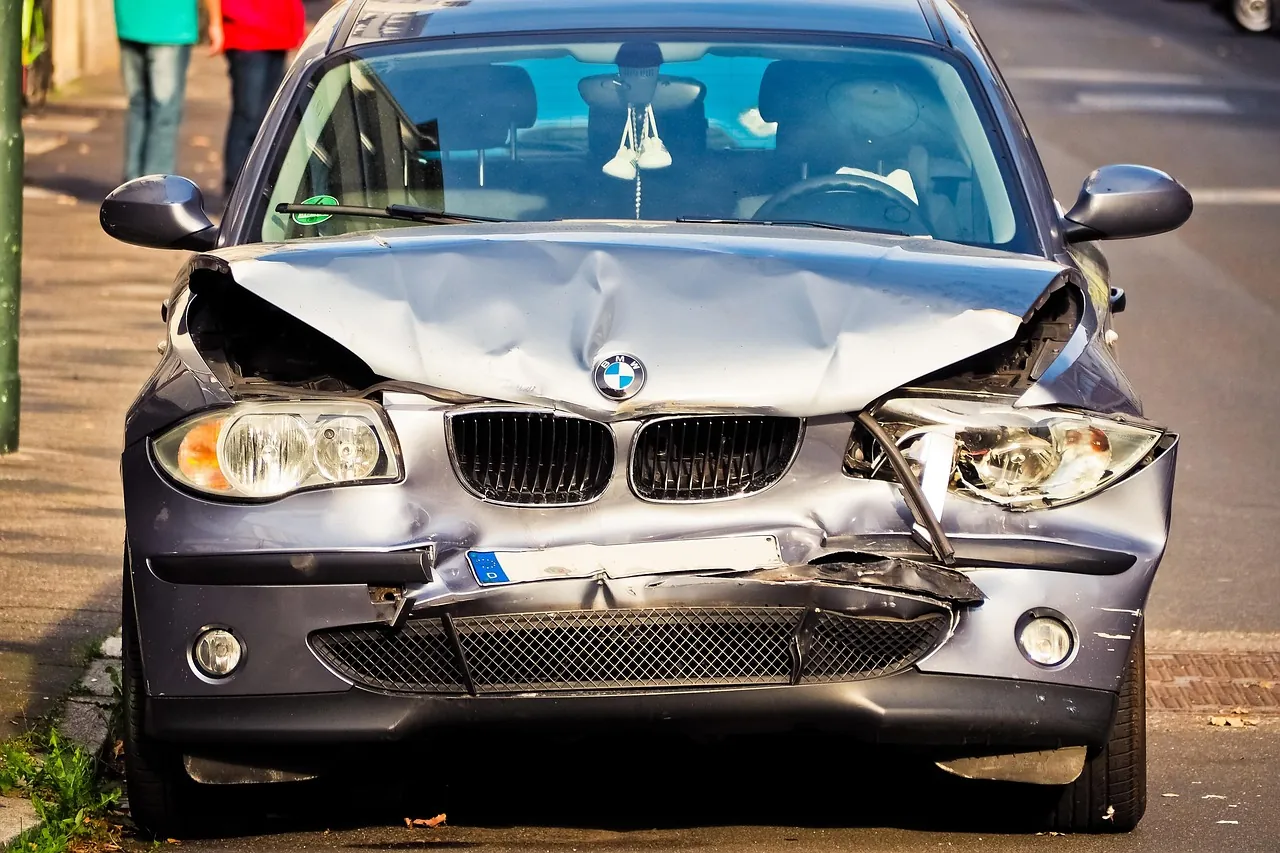
An Unexpected Hit-and-Run
In the summer of 2022, Florida residents Emily and Jake experienced a distressing hit-and-run accident that could have left them at a financial loss. However, their proactive approach to documenting the incident ensured they could file an effective insurance claim and cover their damages. This case study highlights the detailed steps they took, providing valuable insights for others facing similar situations.
Initial Shock and First Reactions
The accident occurred on a Friday evening as the couple was returning home from a beach trip. A pickup truck suddenly swerved into their lane, hitting their car and fleeing the scene before they could react. In the immediate aftermath, Emily and Jake made sure to prioritize their safety and wellbeing.
Ensuring Safety First
Despite their shock, they pulled over to a safe spot, checked for injuries, and ensured their car was not in a hazardous location. They dialed 911 to report the accident, providing necessary details about the other vehicle to the dispatcher.
Gathering Initial Evidence
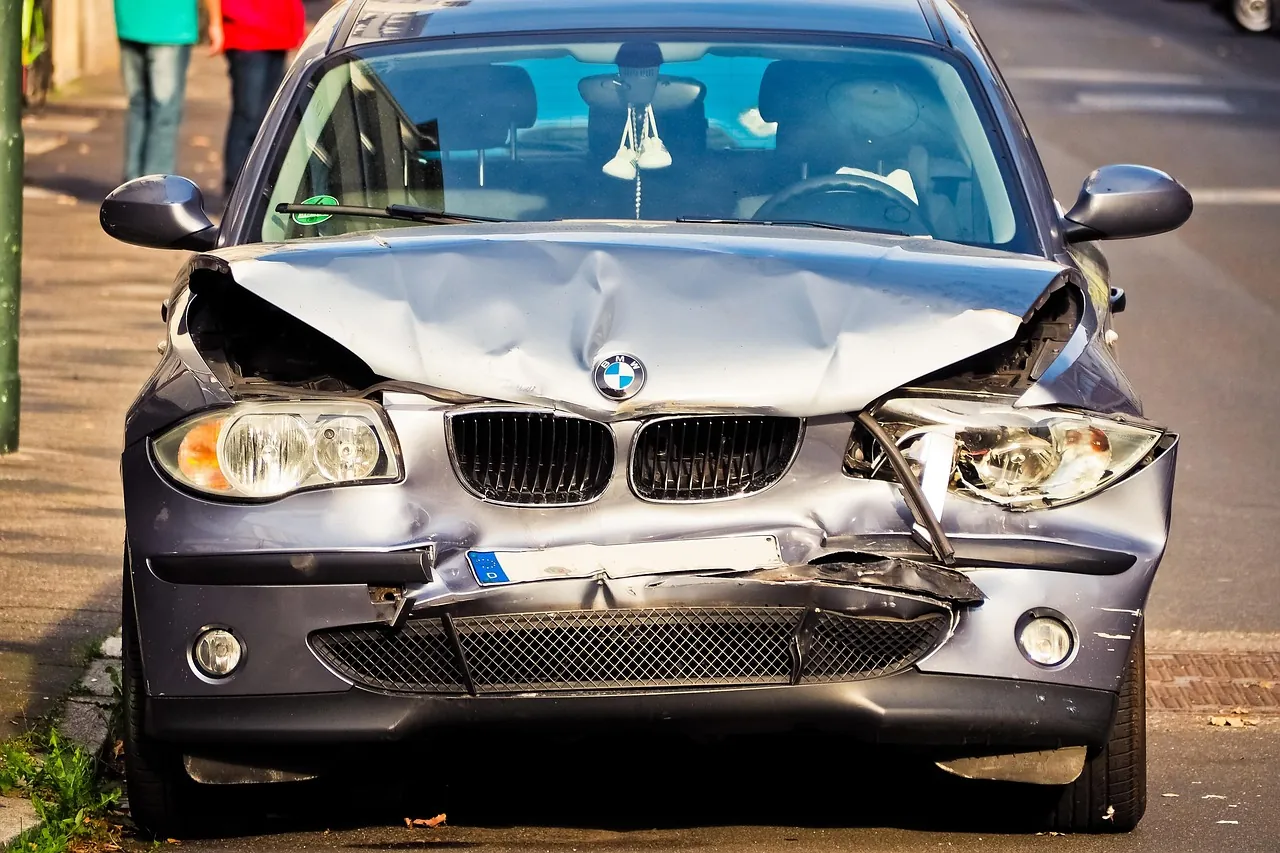
While waiting for the authorities, Emily used her smartphone to photograph the scene. This included capturing:
- Their car's position and damage.
- The road conditions and any nearby landmarks.
- Skid marks on the road.
These images would become crucial evidence for their insurance claim later on.
Communicating with Witnesses
Fortune favored them as a bystander had witnessed the entire event. The witness provided their contact information and a brief account of what they saw. Emily and Jake knew that witness statements could be influential in insurance claims, especially in hit-and-run scenarios.
Police Report: A Critical Step
When law enforcement arrived, Emily and Jake provided a detailed account of the accident, including the direction and description of the fleeing vehicle. The police officer took notes and assured them that a report would be filed. Having an official police report is crucial as it serves as formal documentation of the incident.
Notifying the Insurance Company
The couple contacted their insurance company as soon as they returned home. Here’s how they effectively communicated with their insurer:
Preparing Before the Call
Before making the call, they ensured they had all necessary documents ready:
- Their policy number and personal identification details.
- A copy of the police report once available (the officer had given them a reference number).
- The photos taken at the scene.
- The witness’s contact information.
Clear Communication
During the conversation with their insurance representative, they remained calm and provided a factual recount of the incident. They emphasized it was a hit-and-run and reiterated that they had evidence to support their claim.
Filing the Insurance Claim
The insurance company instructed them on how to file a claim through their online platform. Emily and Jake meticulously filled out each section, ensuring no detail was overlooked.
Uploading Evidence
The ability to upload digital files directly into their claim was invaluable. They submitted:
- The photographs of the scene and car damage.
- A scanned copy of the police report once it was available.
Follow-up Communication
They made sure to follow up via email to confirm receipt of all documents and requested written confirmation that all evidence had been added to their claim file.
Handling Repair Estimates
The insurer required repair estimates from authorized service centers. Jake contacted several local auto repair shops for quotes. To ensure transparency, they opted to use one of the insurer's recommended repair facilities, which also offered a guarantee on repairs.
This step involved:
- Scheduling an appointment for an inspection.
- Obtaining detailed repair estimates outlining parts and labor costs.
This helped expedite their claim settlement process as it minimized any disputes over repair costs.
Resolution and Lessons Learned
The entire process from accident to claim resolution took about four weeks. The insurer approved their claim based on the strong evidence provided, covering both repairs and a rental car while theirs was in the shop.
Key Takeaways
- Always prioritize safety first after an accident. Your health is more important than any material loss.
- Gather as much evidence as possible at the scene. Photographs and witness accounts can significantly strengthen your claim.
- A police report is essential, particularly in hit-and-run cases, as it provides an official record of events.
- Be thorough when filing a claim, providing all necessary documentation promptly.
This experience underscored for Emily and Jake the importance of being prepared and knowing what steps to take immediately after an accident. By sharing their story, they hope others will feel more equipped should they find themselves in similar unfortunate situations.