Navigating the Claims Process: What to Do After a Car Crash
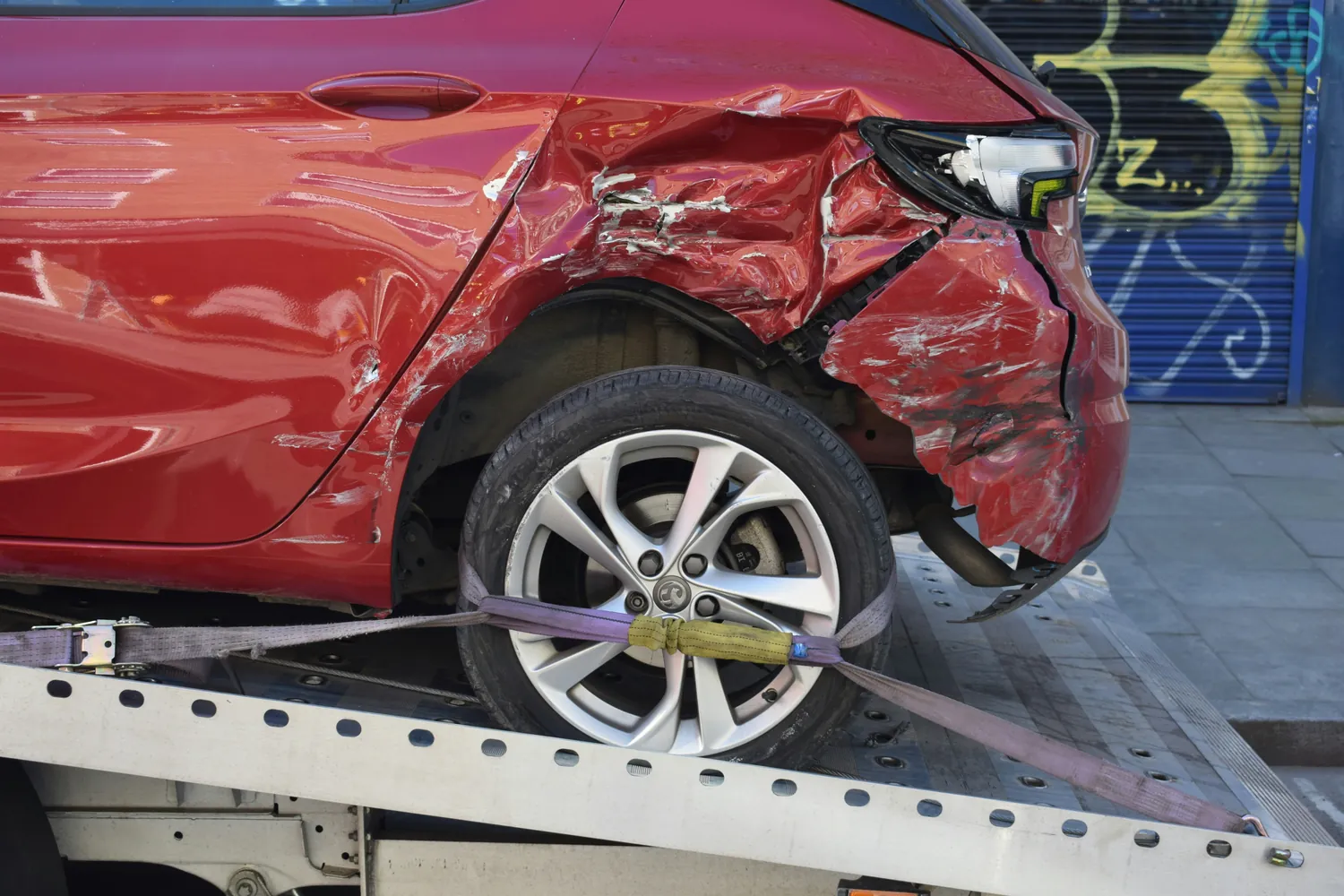
Immediate Actions at the Scene of the Accident
Being involved in a car accident can be a stressful experience. However, knowing what to do immediately after an incident can significantly streamline the claims process with your insurance provider. Here are the critical steps to take:
- Ensure Safety: First and foremost, ensure that you and your passengers are safe. If possible, move vehicles out of traffic to prevent further incidents.
- Call Emergency Services: Dial emergency services if there are any injuries or significant damage. It's always better to have an official report for your records.
- Exchange Information: Collect names, phone numbers, and insurance details from all parties involved, including witnesses.
- Document the Scene: Use your smartphone to take pictures of the scene, vehicle damages, license plates, and any relevant road signs or signals.
Example Scenario: A Minor Fender Bender
Imagine you're on your way to work when you rear-end the car in front of you at a stoplight. The other driver steps out, clearly frustrated but not injured. You both agree to pull over to a nearby parking lot where it's safe. After ensuring that neither of you is hurt, you exchange insurance information and contact details while taking photos of the slight damage to both vehicles. Fortunately, there are no injuries and minimal damage, so you decide not to call emergency services, opting instead to resolve it through your insurers.
Contacting Your Insurance Provider
Once you're safe and have documented everything at the scene, it's crucial to contact your insurance company as soon as possible. Here's how you should proceed:
- Locate Your Policy Details: Have your policy number handy when contacting your insurer. This will help streamline the communication process.
- Provide Accurate Information: Be honest and detailed about what occurred during the accident. Describe how the incident happened, using your notes and photographs as reference points.
- Ask About Coverage: Inquire about what your policy covers concerning this particular incident, such as rental cars or towing services.
The Importance of Timeliness
A driver who delayed reporting their accident found themselves in a bind when they discovered that certain claims could be time-sensitive. Avoid this by notifying your insurer promptly to ensure you meet any deadlines for claims submission.
Navigating the Claims Process
The claims process can vary slightly depending on your insurer, but here is a general workflow:
- Submit Your Claim: Use the insurer’s online platform or app if available for a more efficient process. Input all necessary details collected at the scene.
- Claim Assessment: An adjuster will be assigned to evaluate the damage. They may schedule an inspection or request additional documentation.
- Approval and Repair: Once approved, you'll be given a list of authorized repair shops. Choose one to start repairs on your vehicle.
Workflow Checklist for Streamlining Your Claim
- Ensure all documents (photos, police reports) are ready before contacting the insurer.
- Follow up regularly with your claims adjuster.
- Understand and confirm the coverage details specific to your policy.
Having a structured approach like this can help keep stress levels down and ensure that nothing crucial is overlooked during the claims process.
Working with Insurance Adjusters
The role of an insurance adjuster is vital in processing your claim accurately and efficiently. Here’s how to effectively communicate with them:
- Be Cooperative: Provide any requested information or documents promptly to avoid delays.
- Maintain Professionalism: Stay calm and courteous even if you disagree with their assessment. Open communication lines often result in smoother negotiations.
An Interaction Example with an Adjuster
You receive a call from your insurance adjuster two days after submitting your claim. They request additional photos of the vehicle’s undercarriage, which you promptly send via email. By being responsive and cooperative, the adjuster appreciates your diligence, expediting the claim approval.
Receiving Compensation
Your claim’s final stage involves receiving compensation based on your policy terms. Here’s what you need to know:
- Payout Process: Depending on your policy, compensation might cover repair costs directly through preferred shops or reimburse you for expenses incurred.
- Deductibles: Be aware of your deductible amount as it will be subtracted from your settlement.
A Note on Deductibles
If you have a $500 deductible and the repair costs amount to $2,500, expect your insurer to cover $2,000 after deducting this amount from your settlement.
Conclusion: Proactive Measures for Future Incidents
No one anticipates being in an accident, but being prepared can significantly alleviate stress and expedite recovery. Remember these key steps: stay calm, document thoroughly, and maintain clear communication with all involved parties. Keeping these actions in mind will allow you to handle future incidents with confidence and clarity.