Assessing the Financial Implications of Comprehensive Against Liability Car Insurance

Understanding the Core Differences
When considering car insurance, one of the primary decisions is whether to opt for comprehensive coverage or to stick with liability insurance. Each serves distinct purposes and offers varying levels of protection. Understanding these differences is crucial in making an informed financial decision.
Comprehensive Coverage: A Wider Safety Net
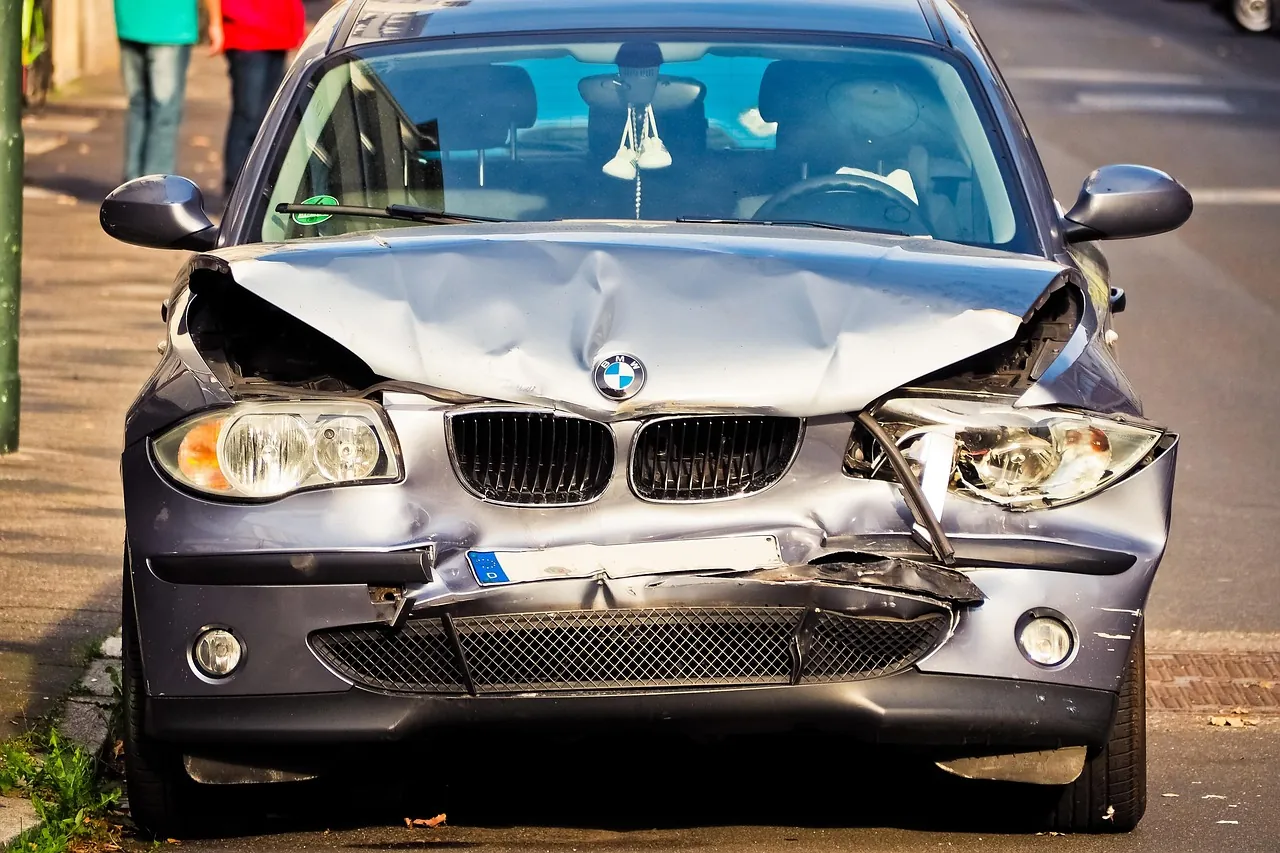
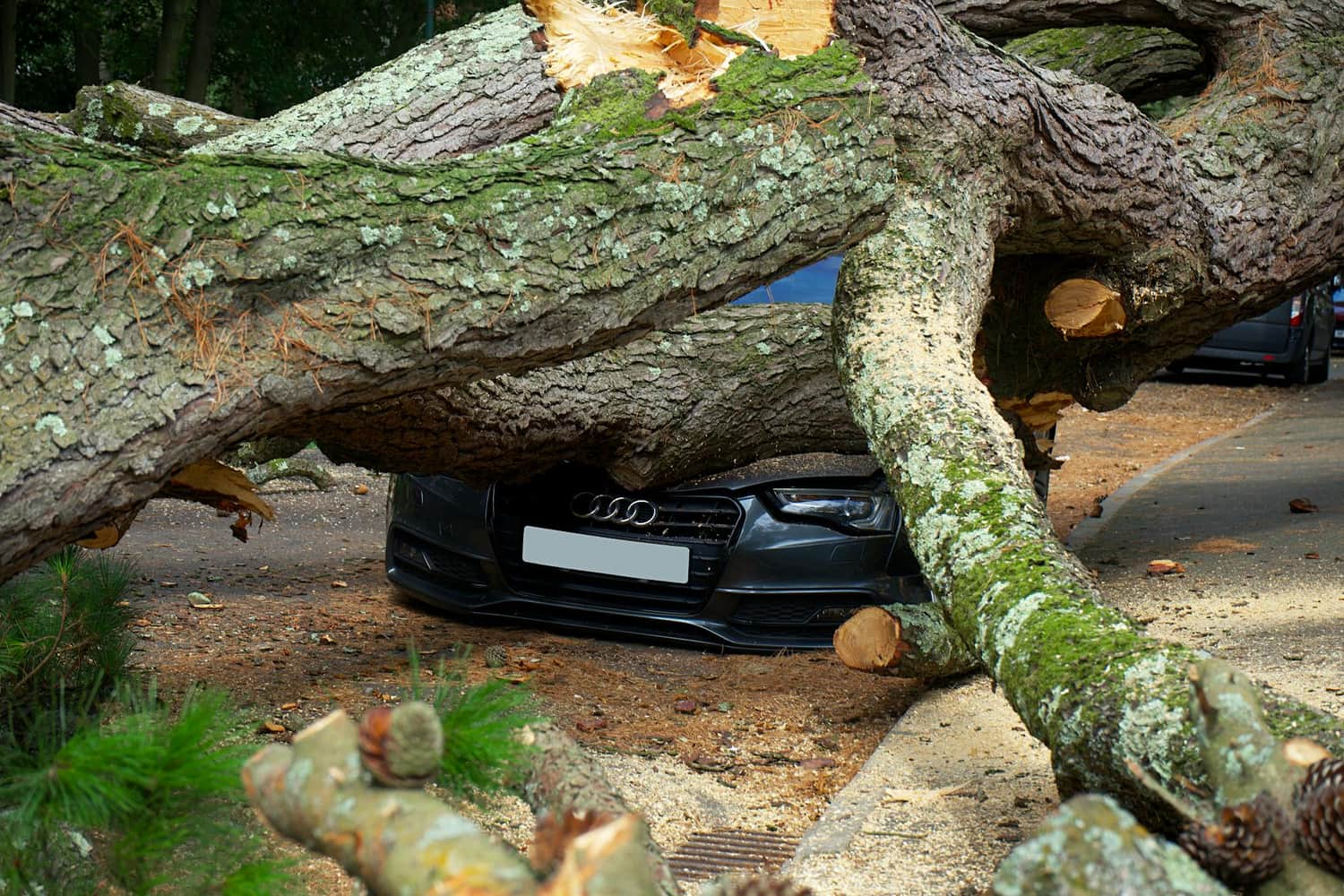
Comprehensive insurance covers a broad spectrum of risks that go beyond simple vehicular collisions. This includes damages from natural disasters, theft, vandalism, and even animal collisions. Essentially, if your car gets damaged by something other than another vehicle, comprehensive insurance likely has you covered. Given the rise in extreme weather events and urban theft rates—which average around 20% in metropolitan areas—comprehensive coverage can be financially prudent.
However, the broader coverage comes at a cost. Premiums for comprehensive plans are typically higher than those for liability. The national average for comprehensive car insurance premiums ranges between $1,200 and $1,600 annually. This additional expense can be daunting, but it provides peace of mind knowing that a wide range of potential threats are mitigated.
Liability Insurance: Fulfilling Legal Obligations
On the other hand, liability insurance is legally required in most states and covers only damages you cause to others. This includes bodily injuries and property damage from accidents where you are at fault. While it meets legal requirements and protects you from potentially ruinous lawsuits, it does nothing for your own vehicle's damages or theft.
The financial implications here are significant. With premiums averaging $600 to $1,000 annually, liability insurance is considerably more affordable. Yet, it leaves you exposed to out-of-pocket costs if your vehicle incurs damage or loss not involving another driver.
Cost Considerations
Calculating Long-term Costs
To decide between these two types of coverage, a comprehensive cost analysis is essential. Start by evaluating your car's value—older vehicles may not warrant the extra cost of comprehensive insurance if their replacement cost is lower than accumulated premium savings over time. A new vehicle, however, especially one financed through a loan, might benefit more from comprehensive coverage.
Consider a scenario where your vehicle is valued at $20,000. In such a case, the cost of replacing or repairing the vehicle due to non-collision damages could significantly outweigh the premium savings from choosing liability insurance alone.
The Role of Deductibles
Another financial aspect is the deductible amount for comprehensive insurance. By opting for a higher deductible (e.g., moving from $500 to $1,000), you can reduce premium costs by up to 25%. However, this also means you must be prepared to pay more out-of-pocket when filing a claim. Balancing deductible amounts with premium savings requires assessing personal risk tolerance and financial readiness.
Real-world Scenarios
When Comprehensive Insurance Proves Beneficial
Imagine living in an area prone to hailstorms or floods. Here, comprehensive insurance becomes invaluable. For instance, following a severe storm causing widespread damage, local reports might show vehicle repair claims averaging $5,000—an expense far exceeding the annual cost difference between liability and comprehensive insurance.
Theft is another consideration. In urban settings with higher theft rates, comprehensive insurance ensures that you're financially protected should your vehicle be stolen—a scenario that can quickly lead to financial strain without appropriate coverage.
Scenarios Favoring Liability Insurance
If you own an older model valued under $5,000 and primarily drive in a low-risk area with minimal crime and mild weather conditions, liability insurance might suffice. The reduced premium payments can then be allocated towards maintenance or savings.
Moreover, individuals with ample emergency funds or secondary vehicles might consider liability-only policies as they can self-insure against potential losses or damages to their primary vehicle.
Final Thoughts and Recommendations
The decision between comprehensive and liability car insurance should factor in individual circumstances, including geographic location, vehicle value, and personal financial situations. Regularly reviewing your policy as these variables change ensures optimal coverage.
- New Car Owners: Opt for comprehensive coverage to protect against depreciation and financial liability from unexpected incidents.
- Owners of Older Vehicles: Evaluate the actual cash value versus the potential savings from lower premiums with liability-only coverage.
A balanced approach may involve starting with comprehensive coverage for newer cars and transitioning to liability as the vehicle ages and depreciates. This ensures you're protected during periods of high risk while saving on premiums when risk factors are lower.