Gap Insurance Explained: When Traditional Coverage Isn't Enough

Understanding the Basics of Gap Insurance
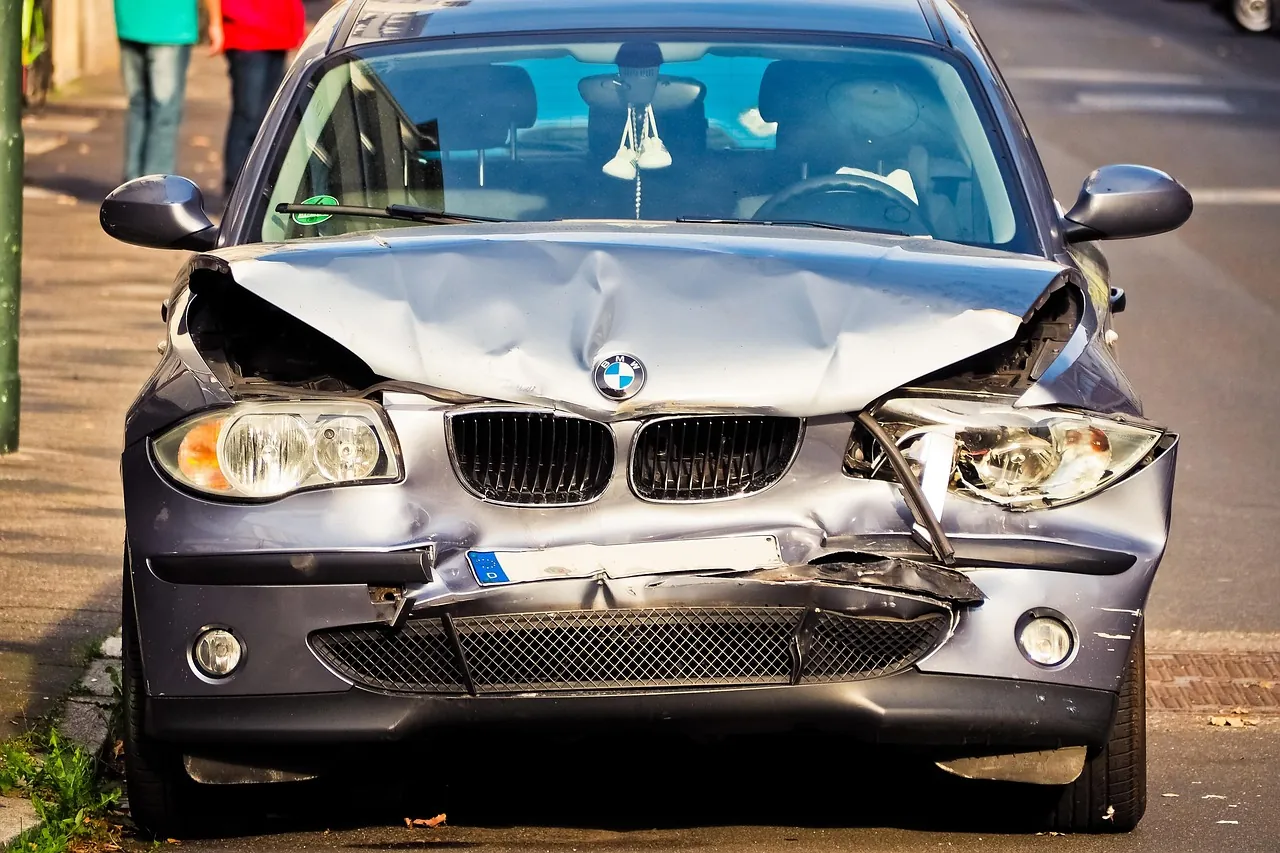
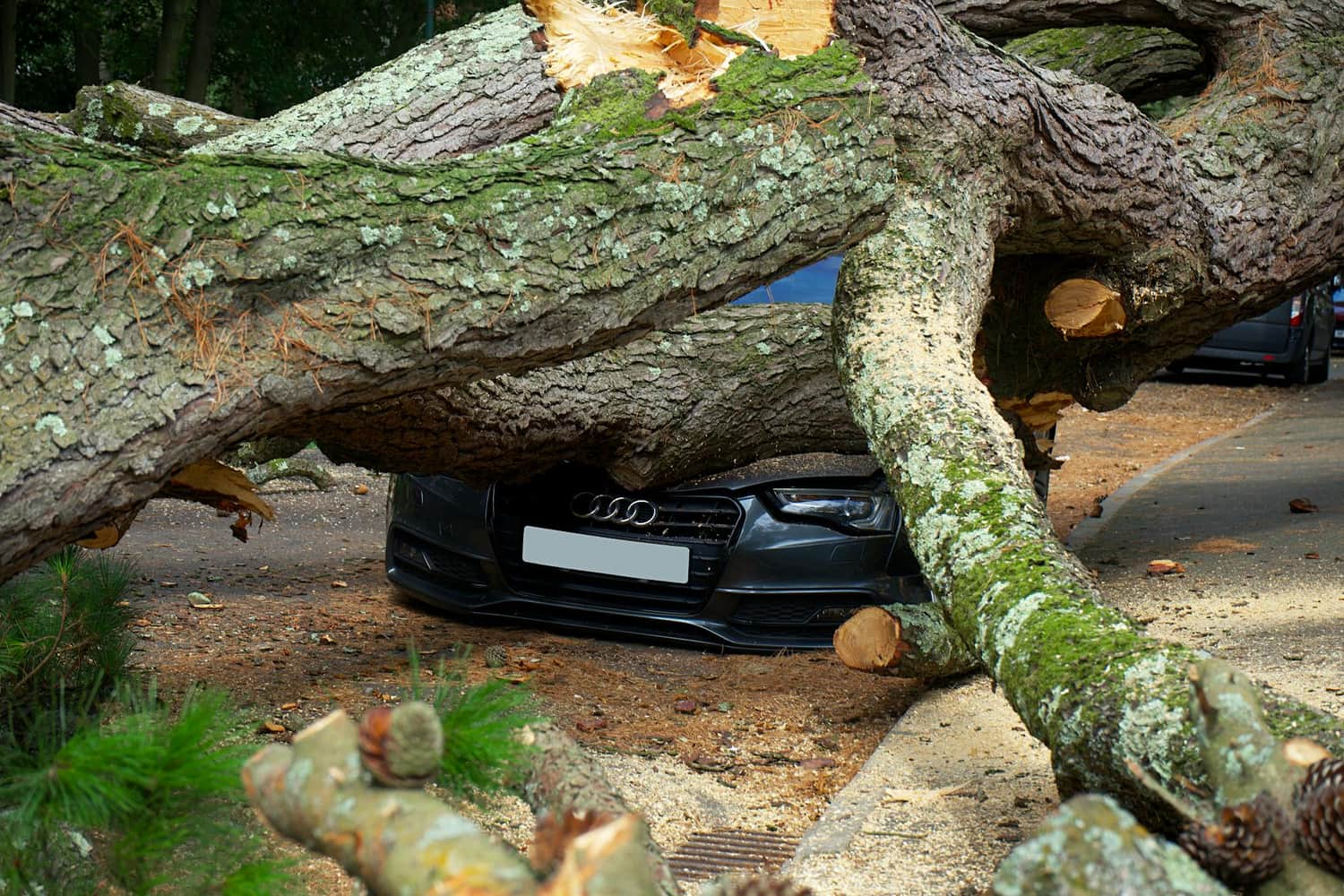
When you purchase a new car, the hope is that your vehicle will serve you for years without incident. However, accidents happen, and sometimes they can be financially devastating. This is where gap insurance comes into play. Unlike traditional auto insurance, which typically covers the market value of a car at the time of a claim, gap insurance ensures that the car owner isn’t left with a hefty loan or lease balance if the vehicle is totaled.
What is Gap Insurance?
Gap insurance, short for Guaranteed Asset Protection insurance, covers the difference between the amount you owe on your vehicle and its actual cash value in the event of a total loss. This is particularly important for new cars, which depreciate rapidly in value.
How Traditional Insurance Falls Short
Traditional auto insurance policies generally cover your vehicle based on its depreciated value at the time of an accident. This means if your new car is worth $30,000 when you buy it, but only $25,000 after a year due to depreciation, that's all your insurer will pay. If you owe more than that—say $28,000—on your auto loan, you’ll be responsible for paying the remaining $3,000 out of pocket unless you have gap insurance.
When Should You Consider Gap Insurance?
Gap insurance is not for everyone. Here are scenarios where having it might be beneficial:
- High Loan-to-Value Ratio: If you made a small down payment or financed most of the car's purchase price, there's a good chance you'll owe more than the car's market value for a significant period.
- Rapid Depreciation: Some vehicles lose their value faster than others. Luxury cars and electric vehicles are often in this category.
- Long Loan Terms: If you’re financing your vehicle over a long period, the car might depreciate faster than you're paying off the principal.
Real-Life Scenario
Consider Sarah, who bought a new sedan for $35,000 with just $2,000 down and financed the rest over five years. A year later, her car was totaled in an accident. The car’s market value had depreciated to $27,000, but she still owed $32,000 on her loan. With gap insurance, Sarah’s gap of $5,000 was covered, saving her from financial distress.
Pros and Cons of Gap Insurance
Pros
- Financial Protection: It protects against having to make large payments for a car you no longer own.
- Peace of Mind: Knowing that you're covered for worst-case scenarios can offer significant peace of mind.
Cons
- Additional Cost: Gap insurance adds to your overall insurance expenses.
- Not Always Necessary: If your loan-to-value ratio is low or you've paid off a large part of your loan quickly, it might not be needed.
How to Obtain Gap Insurance
You can acquire gap insurance through various channels:
- Dealerships: Often offered at the time of vehicle purchase. It's convenient but can sometimes be more expensive.
- Insurance Companies: Most major insurers offer gap insurance as an add-on to your existing policy.
The Process of Buying Gap Insurance
- Assess Your Needs: Determine whether gap insurance is necessary based on your financing situation and vehicle type.
- Compare Providers: Check with both dealerships and insurance companies for pricing and coverage options.
- Add to Your Policy: If buying through an insurer, it’s usually easy to add this to your current auto policy.
Comparing Traditional and Gap Insurance
The primary function of traditional auto insurance is to cover liability, collision damage, and other perils. Gap insurance acts as a supplementary protection. Here’s how they compare:
- Covers Outstanding Loan Amount: Gap fills the gap between what you owe and what your car is worth; traditional does not.
- Payout Structure: Traditional insurance pays out based on market value; gap pays out based on remaining loan balance.
Conclusion: Is Gap Insurance Right for You?
If you're in a financial situation where losing your vehicle means being stuck with significant debt, gap insurance could be a worthwhile investment. Assess your individual situation carefully. Evaluate your vehicle's depreciation rate and the terms of your loan before deciding. Consult with an insurance advisor to understand fully how gap insurance fits into your overall financial plan.