GAP Insurance: Protecting Your Finances After an Accident or Theft
Understanding GAP Insurance
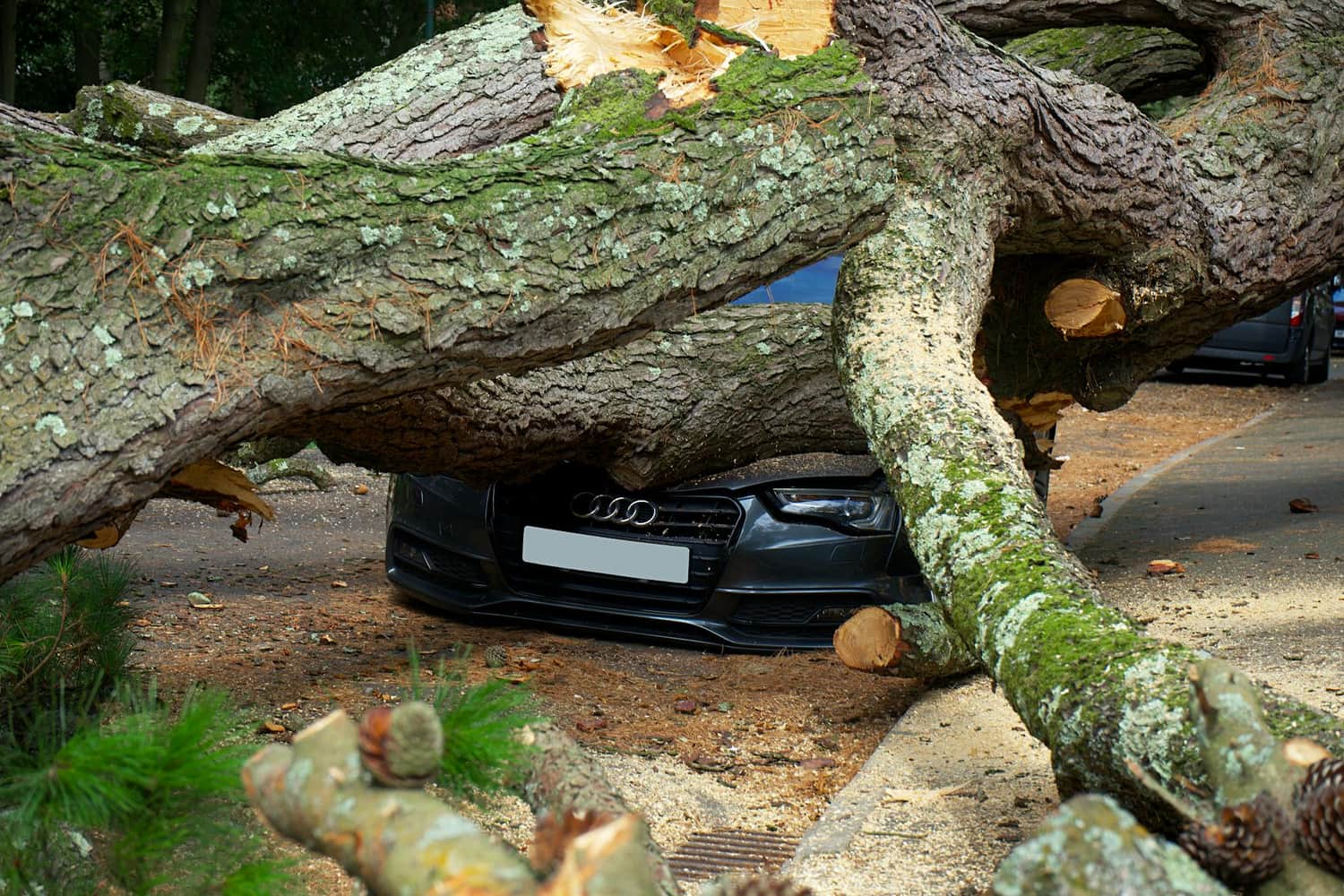
Guaranteed Asset Protection (GAP) insurance is a specific type of car insurance that covers the difference between what you owe on your vehicle and its actual cash value in the event of a total loss. While many drivers have heard of it, not everyone understands its importance until it's too late. In essence, GAP insurance can be a financial lifesaver if your car is totaled or stolen.
The concept is straightforward but vital, particularly for those who finance or lease vehicles. Cars tend to depreciate quickly—sometimes as much as 20% in the first year alone. If your car is totaled, standard auto insurance policies typically only cover the current market value of the car, which may be significantly less than the remaining balance on your loan or lease. This is where GAP insurance steps in.
When Is GAP Insurance Necessary?
GAP insurance isn't necessary for every driver, but it can be crucial in certain situations. Below are some scenarios where having GAP coverage makes financial sense:
- Leasing a Vehicle: Most lease agreements automatically include GAP insurance because lessees often owe more than the car's worth throughout the lease term.
- Financing with a Low Down Payment: If you've put little to no money down, you may find yourself 'upside down' on your loan, meaning you owe more than the vehicle is worth from day one.
- Buying a Car That Depreciates Rapidly: Some vehicles lose value faster than others, leaving owners financially exposed without GAP coverage.
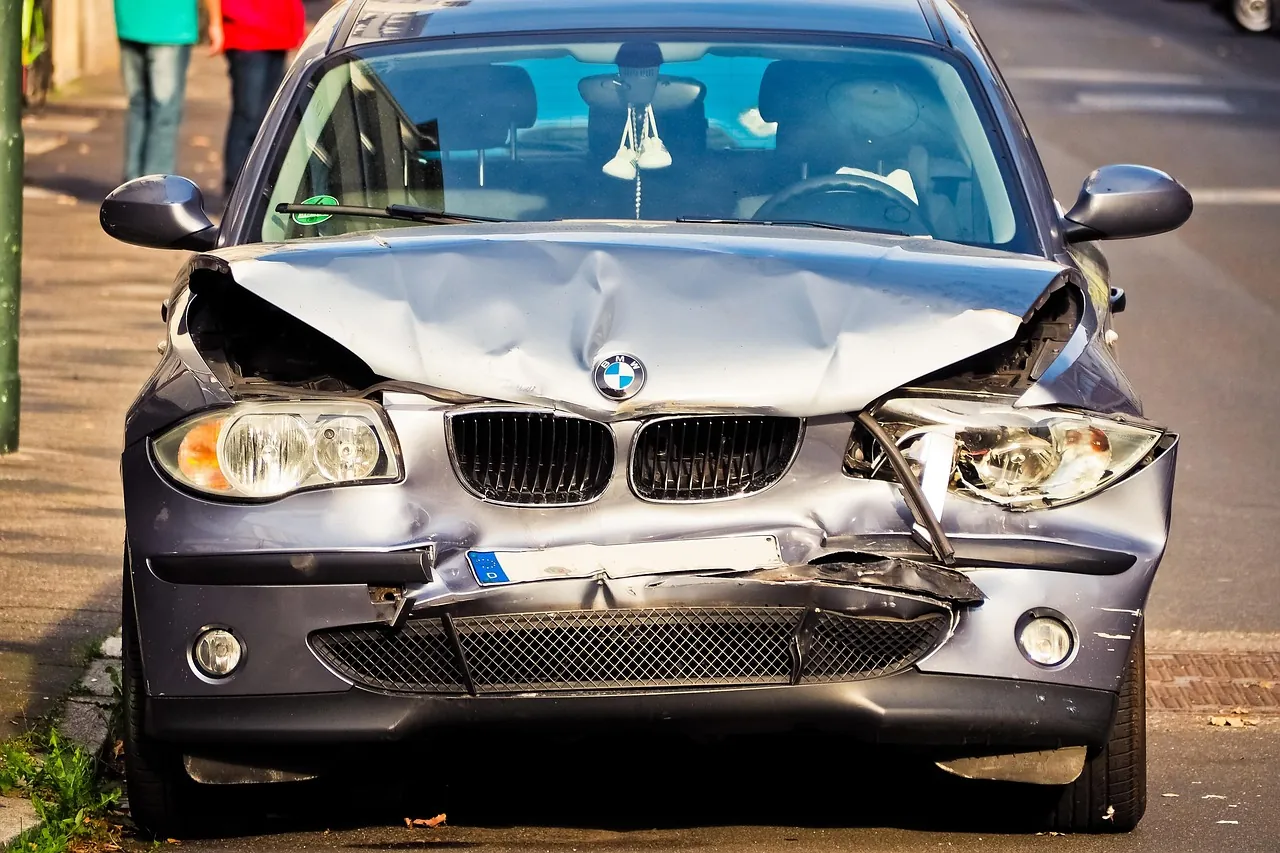
Consider James, who purchased a new sedan with a loan covering 100% of the cost. A few months later, his car was totaled in an accident. The market value had already dropped significantly below his outstanding loan balance. Without GAP insurance, James would have been responsible for paying off the difference out of pocket.
How Does GAP Insurance Work?
The mechanics of GAP insurance are relatively simple. When you experience a total loss, your primary auto insurance will pay out what they determine to be the actual cash value (ACV) of your car. If there's a gap between this amount and your loan or lease balance, GAP insurance will cover it.
For example, imagine you bought a car for $30,000, and after two years, its ACV has depreciated to $22,000. If you still owe $25,000 on your loan and your car gets totaled, your standard policy will cover the $22,000 ACV. GAP insurance will then pay the remaining $3,000 to close the gap between your car's worth and what you owe.
The Claims Process
Filing a claim under your GAP insurance policy typically involves the following steps:
- Submit a claim to your primary auto insurer and get the payout based on ACV.
- Contact your GAP insurer with the details of the total loss and provide documentation such as the settlement statement from your primary insurer and a copy of your loan or lease agreement.
- The GAP insurer reviews the documents and reimburses the lender or lessor for the outstanding balance.
The Cost of GAP Insurance
The cost of GAP insurance varies but is generally affordable, often ranging between $20 and $40 per year if added to an existing auto policy. Alternatively, if purchased through a dealership or lender at the time of vehicle purchase, it might be rolled into your loan payments. However, be cautious; dealership-sold GAP insurance can sometimes be more expensive than alternatives offered by auto insurers.
Given its relatively low cost compared to potential benefits, drivers financing large amounts or leasing should consider it a worthy investment.
Alternatives and Trade-Offs
If you're debating whether to purchase GAP insurance, consider other options that might suit your financial situation:
- New Car Replacement Coverage: Some insurers offer this option instead of or in addition to GAP coverage. It covers the full replacement cost of a new vehicle rather than just the ACV.
- Loan/Lease Payoff Coverage: Similar to GAP but generally covers only up to 25% of your car's ACV towards any loan or lease deficit. It can be less comprehensive but cheaper than traditional GAP coverage.
Each option comes with trade-offs concerning coverage limits, cost, and peace of mind. Assess your financial risk tolerance and vehicle depreciation rate before making a decision.
Conclusion: Assessing Your Need for GAP Insurance
While not necessary for every driver, GAP insurance provides invaluable protection against substantial financial loss due to vehicle depreciation post-accident or theft. Evaluate whether you're at risk of owing more than your car is worth by analyzing how quickly your vehicle depreciates and how much you still owe compared to its market value.
A thorough understanding of these factors will help ensure you're neither over-insured nor dangerously under-protected. Talk to an insurance advisor or do an independent analysis using online tools to determine if GAP insurance makes sense for your situation.