Insights into Choosing the Best Car Insurance: Comprehensive or Liability

Understanding the Basics: Comprehensive vs. Liability Coverage
Car insurance is a critical aspect of responsible vehicle ownership, providing protection not just for your car, but also against financial liabilities. Among the different types of coverage, comprehensive and liability insurance are two of the most essential forms. Both serve unique purposes and can be beneficial depending on individual circumstances.
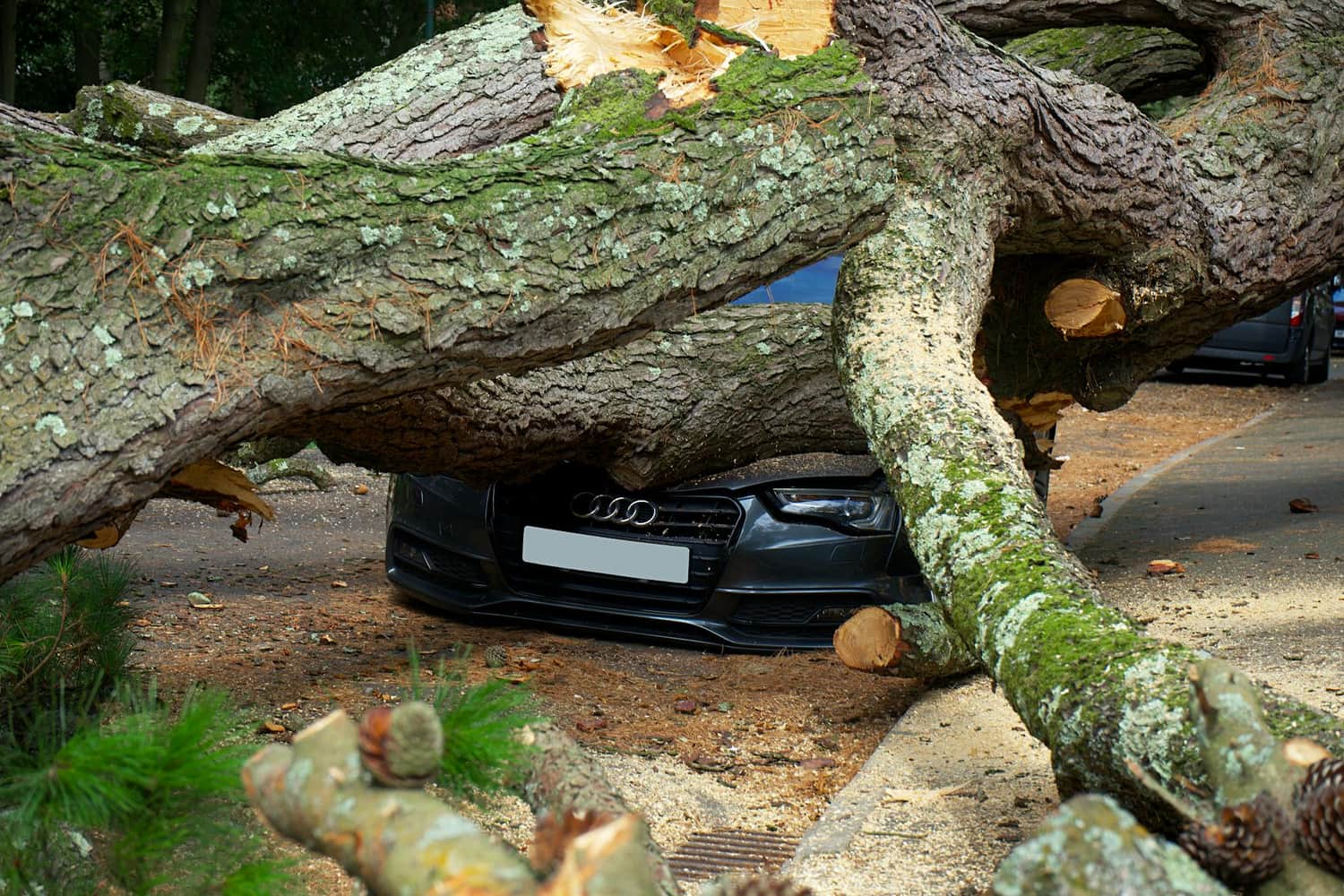
Comprehensive insurance covers damages to your vehicle that are not related to collisions. This includes theft, vandalism, natural disasters, and other unforeseen events. On the other hand, liability insurance covers damages you may cause to another person's property or any injuries you might inflict in an accident where you are at fault.
The Pros and Cons of Comprehensive Insurance
Pros:
- Wide Coverage Scope: Comprehensive insurance protects against a broad range of incidents beyond vehicular accidents.
- Peace of Mind: Knowing your vehicle is protected from theft, weather-related damage, and vandalism can be reassuring.
- Financial Safety: It covers substantial repair costs which might otherwise be financially burdensome.
Cons:
- Higher Premiums: Due to its extensive coverage, comprehensive insurance typically comes with higher premiums compared to liability insurance.
- Potentially Unnecessary for Older Cars: The cost of insurance might outweigh the value of an older vehicle.
The Pros and Cons of Liability Insurance
Pros:
- Affordability: Liability insurance is usually more affordable than comprehensive coverage, making it accessible for many drivers.
- Legal Requirement: Most states mandate a minimum level of liability insurance, ensuring compliance with legal requirements.
Cons:
- No Coverage for Your Own Vehicle: If you're in an accident, liability insurance won't cover the cost of repairing your own vehicle.
- Limited Protection: Only covers damages to others, leaving you financially vulnerable in certain scenarios.
When to Choose Comprehensive Insurance
Selecting comprehensive coverage often depends on factors such as the value of your car, your financial situation, and your personal risk tolerance. Here are some scenarios where comprehensive insurance is advisable:
- If you own a new or high-value vehicle: Protecting your investment from non-collision-related damage makes comprehensive insurance worthwhile.
- If you live in an area prone to extreme weather or high crime rates: Comprehensive insurance offers protection from damage due to environmental factors or theft.
- If you prefer peace of mind: The security that comes from knowing you are covered against a wide range of risks can be invaluable.
When to Opt for Liability Insurance
Liability insurance is an excellent choice in situations where affordability is a priority or where legal requirements must be met without excess financial burden. Consider liability insurance if:
- Your car is older with low market value: The cost of comprehensive coverage might surpass the benefits.
- You have significant financial constraints: Liability coverage provides basic protection at a lower cost.
A Mini-Framework for Decision-Making
Choosing between comprehensive and liability insurance can be facilitated through a structured approach. Here’s a mini-framework to help guide your decision:
1. Assess Your Vehicle’s Value
Calculate whether the replacement cost of your vehicle justifies comprehensive coverage. If repair costs for potential damages exceed the premium savings, comprehensive might be the better option.
2. Evaluate Your Personal Risk Tolerance
If potential out-of-pocket expenses in case of damage would cause financial strain, opting for comprehensive coverage might offer greater security. Conversely, if you can handle unexpected repair costs independently, liability might suffice.
3. Consider Typical Driving Conditions
Your driving environment plays a role too. For instance, urban areas with higher traffic and crime rates might necessitate broader coverage compared to rural settings where incidents are less frequent.
Practical Tips for Policy Selection
When navigating the options, it’s important to tailor your insurance plan based on your specific needs and conditions. Here are some practical tips:
- Compare Quotes: Gather multiple quotes from different providers to ensure competitive pricing and adequate coverage levels.
- Review Deductibles: Determine deductibles carefully; higher deductibles typically mean lower premiums but more out-of-pocket expenses during a claim.
- Understand Policy Details: Read the fine print to avoid surprises about what is and isn’t covered under each type of insurance.
Conclusion
The decision between comprehensive and liability car insurance should align with your personal circumstances and financial capacity. By evaluating vehicle value, risk tolerance, and driving conditions, you can make an informed choice that provides appropriate protection without unnecessary expenditure. Whether it's the all-encompassing safety net of comprehensive coverage or the targeted focus of liability insurance, selecting the right policy ensures peace of mind on the road ahead.