Insurance Coverage Choices for Drivers: Understanding Your Options Thoroughly

Understanding the Basics of Car Insurance Coverage
Car insurance is a crucial aspect of vehicle ownership, not only because it is legally required in most places, but also due to the financial protection it offers. With multiple types of coverage available, it’s essential for drivers to understand what each type entails and how it fits into their individual needs.
The primary types of car insurance coverage include liability, comprehensive, and collision. Each serves distinct purposes, covers different risks, and is priced differently based on various factors such as the driver’s history, the vehicle, and the location.
Liability Insurance: Protection from Legal and Financial Risks
Liability insurance is the most basic form of car insurance and is mandatory in most jurisdictions. This coverage primarily protects against legal and financial responsibilities if you are found at fault in an accident.
What Does Liability Insurance Cover?
- Bodily Injury Liability: Covers medical expenses and compensation for lost wages for other parties injured in an accident where you are at fault.
- Property Damage Liability: Pays for repairs or replacement of the other party’s property, such as their vehicle or other damaged structures.
Pros and Cons of Liability Insurance
Pros:
- Typically lower premiums compared to other coverages.
- Meets legal requirements for vehicle operation in most areas.
Cons:
- Does not cover damages to your own vehicle or injuries.
- Insufficient coverage can lead to out-of-pocket expenses if damages exceed your policy limits.
When to Use Liability Insurance: This coverage is ideal for older vehicles that have depreciated significantly in value. It’s also suitable for drivers who want to minimize costs but must meet minimum legal requirements.
Comprehensive Insurance: Safeguarding Against Unpredictable Risks
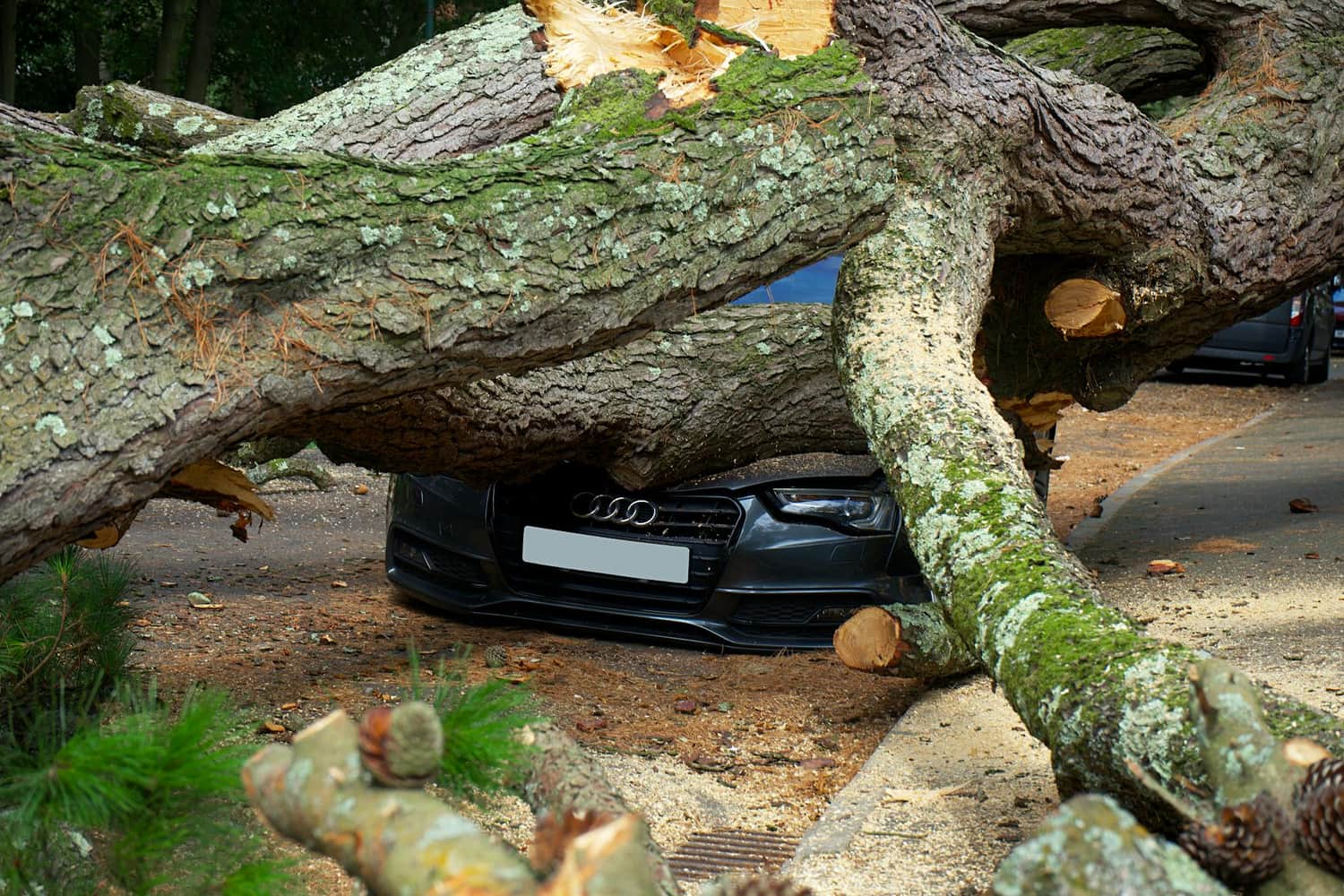
Comprehensive insurance provides coverage for incidents that are not directly collision-related. This includes a wide range of events like natural disasters, theft, and vandalism.
What Does Comprehensive Insurance Cover?
- Theft: Coverage for loss due to theft of the vehicle.
- Natural Disasters: Protection against damages from floods, storms, hail, and earthquakes.
- Vandalism: Covers repair costs if your car is vandalized.
Pros and Cons of Comprehensive Insurance
Pros:
- Covers a wide array of potential non-collision-related incidents.
- Adds peace of mind for owners concerned about environmental or accidental losses.
Cons:
- Higher premiums compared to liability-only policies.
- Might not be cost-effective for older cars with low market value.
When to Use Comprehensive Insurance: Ideal for newer vehicles or cars that are financed, as lenders typically require this coverage. Suitable for drivers living in areas prone to natural disasters or with high rates of theft.
Collision Insurance: Protecting Your Vehicle from Accidents
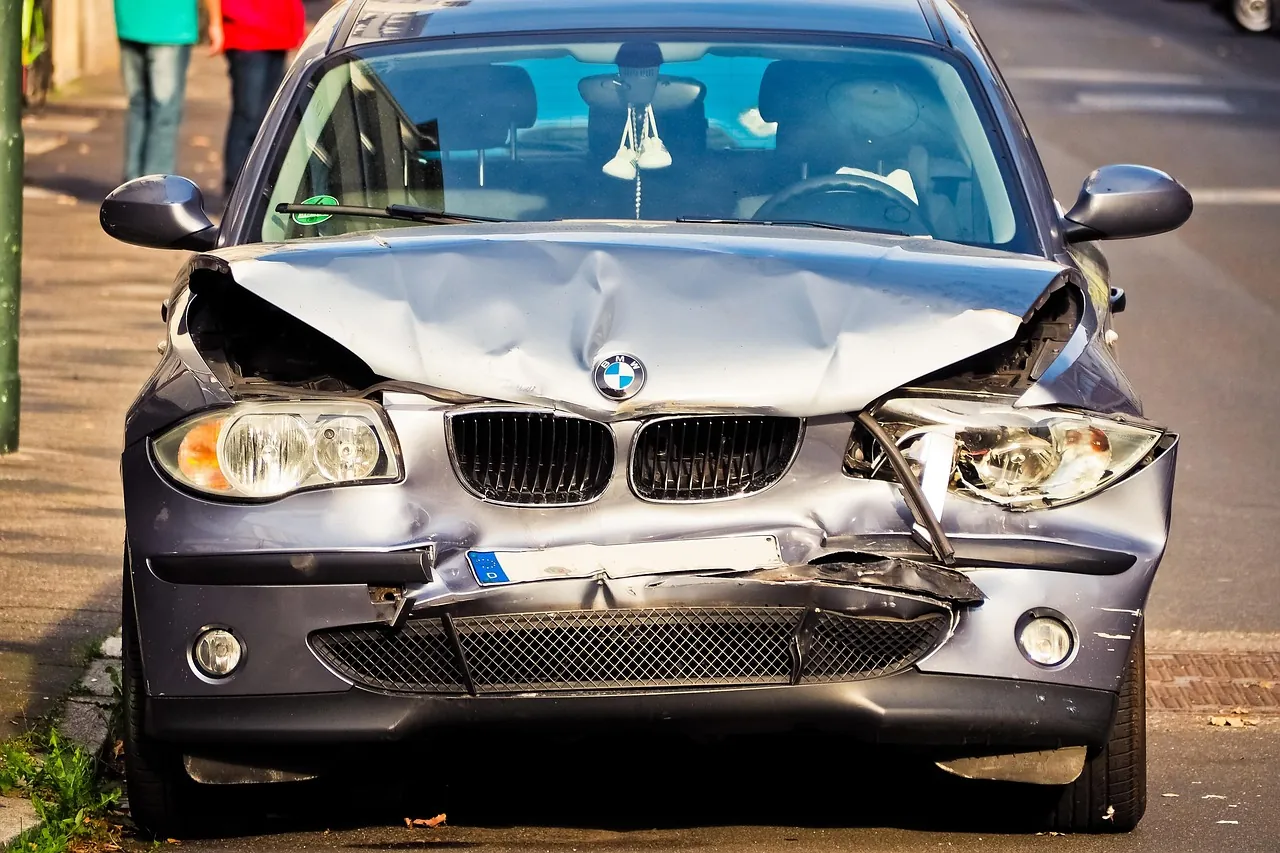
Collision insurance specifically covers damages to your vehicle resulting from accidents, regardless of who is at fault. This makes it a critical component of a comprehensive car insurance strategy, especially for newer or valuable vehicles.
What Does Collision Insurance Cover?
- Covers damages resulting from collisions with other vehicles or objects like trees or poles.
- Pays for repairs or replacement up to the vehicle's market value, minus the deductible.
Pros and Cons of Collision Insurance
Pros:
- Covers repair costs for your car after an accident, protecting against significant financial loss.
- Provides peace of mind when driving frequently or in high-traffic areas.
Cons:
- Generally more expensive than liability-only policies.
- Might be unnecessary for older vehicles where repair costs could exceed the car's value.
When to Use Collision Insurance: Best suited for drivers with newer cars or those who frequently drive in dense traffic where accidents are more likely. Additionally, finance companies often require this coverage on leased or financed vehicles.
Making Informed Decisions: Factors to Consider
Selecting the right car insurance involves balancing costs with adequate protection. Here are some factors to consider:
- Your car's age and value: Newer cars may justify comprehensive and collision coverage while older cars might not need them.
- Your risk tolerance: Assess your financial ability to handle potential losses without insurance payouts.
- Your geographic location: Areas with high crime rates or frequent adverse weather conditions may benefit from comprehensive coverage.
The Balance Between Coverage Types
A well-rounded car insurance strategy often involves combining various coverages to match your specific circumstances. For example, a driver with a new vehicle in a region prone to storms might opt for full coverage including liability, comprehensive, and collision. On the other hand, a driver with an older vehicle that's paid off might choose to carry just liability insurance, supplemented perhaps by higher personal savings to mitigate uncovered risks.
Each driver’s situation is unique, requiring personalized evaluations to optimize insurance effectiveness while keeping costs manageable. Consulting with an insurance professional can provide additional insights tailored to individual needs and help ensure all necessary aspects are considered.