Making Informed Choices: The Distinction Between Comprehensive and Collision Coverage
Understanding Comprehensive and Collision Coverage
When purchasing car insurance, one of the most crucial decisions you'll make is choosing between comprehensive and collision coverage. Both types of insurance serve different purposes and understanding these differences can significantly impact your financial protection in the event of an accident or damage to your vehicle.
What is Comprehensive Coverage?
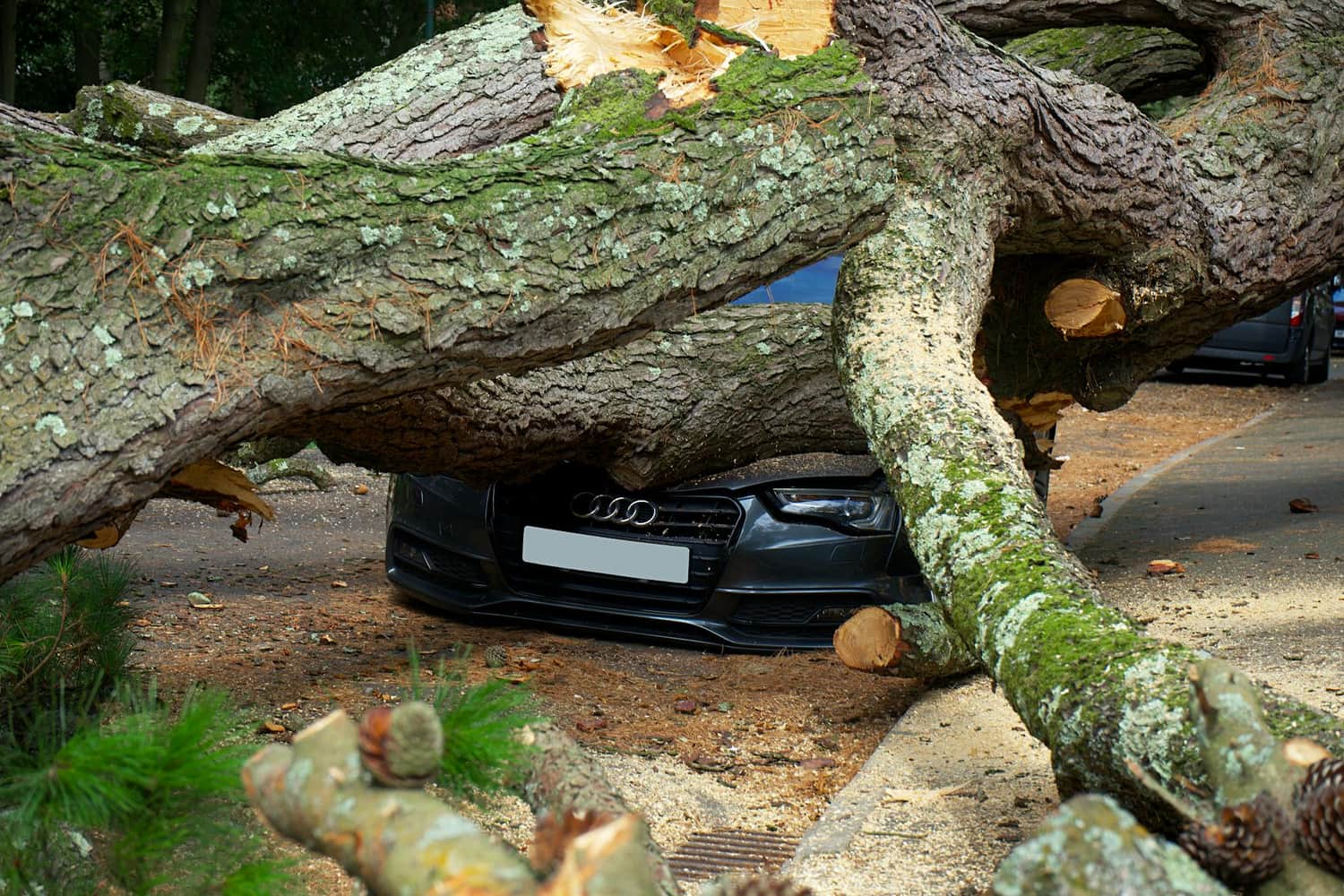
Comprehensive coverage is designed to protect your vehicle from damages not caused by a collision. This includes incidents like theft, vandalism, natural disasters, fire, and animal strikes. Essentially, it covers "everything else" that might happen to your car.
For example, if a tree falls on your car during a storm, comprehensive insurance would cover the repair costs. Similarly, if your car is stolen, this type of coverage can help you recover the financial loss.
What is Collision Coverage?
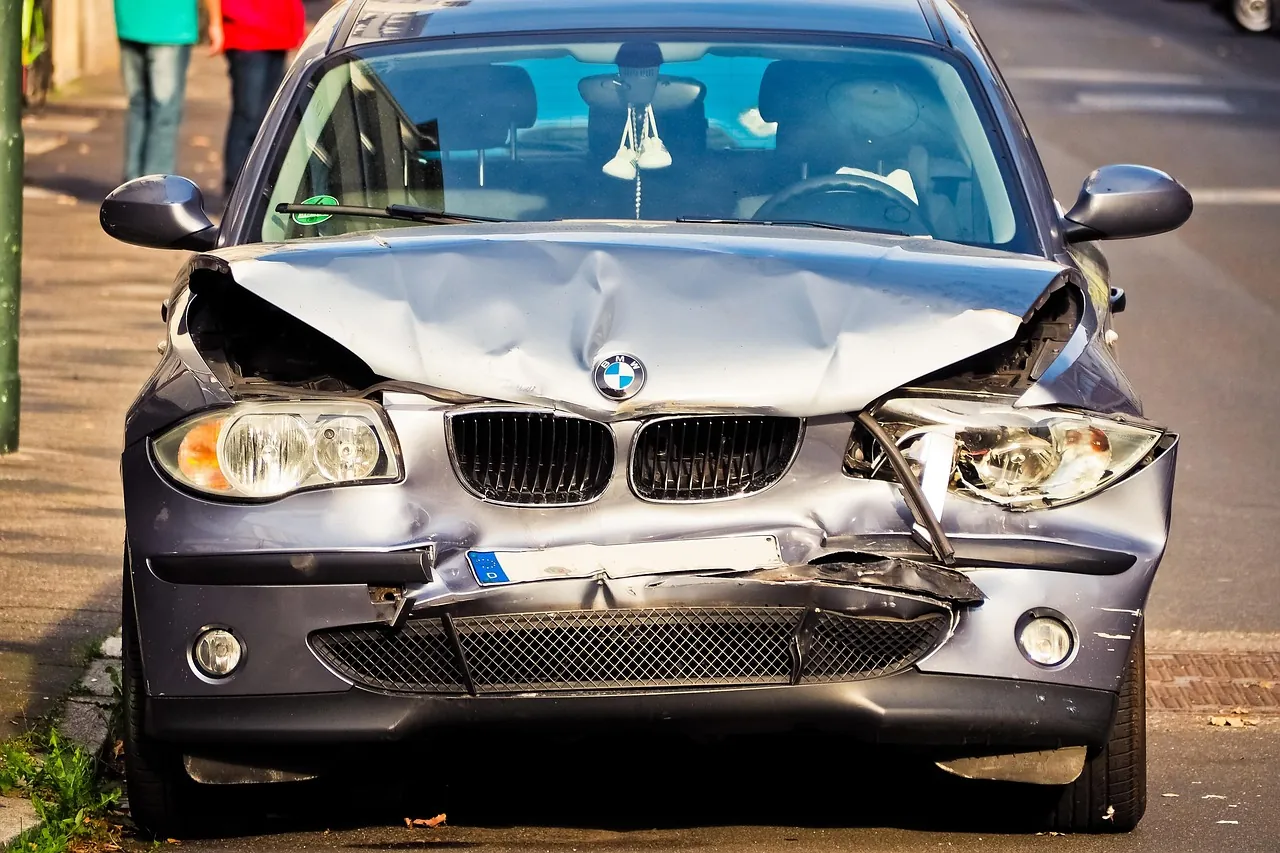
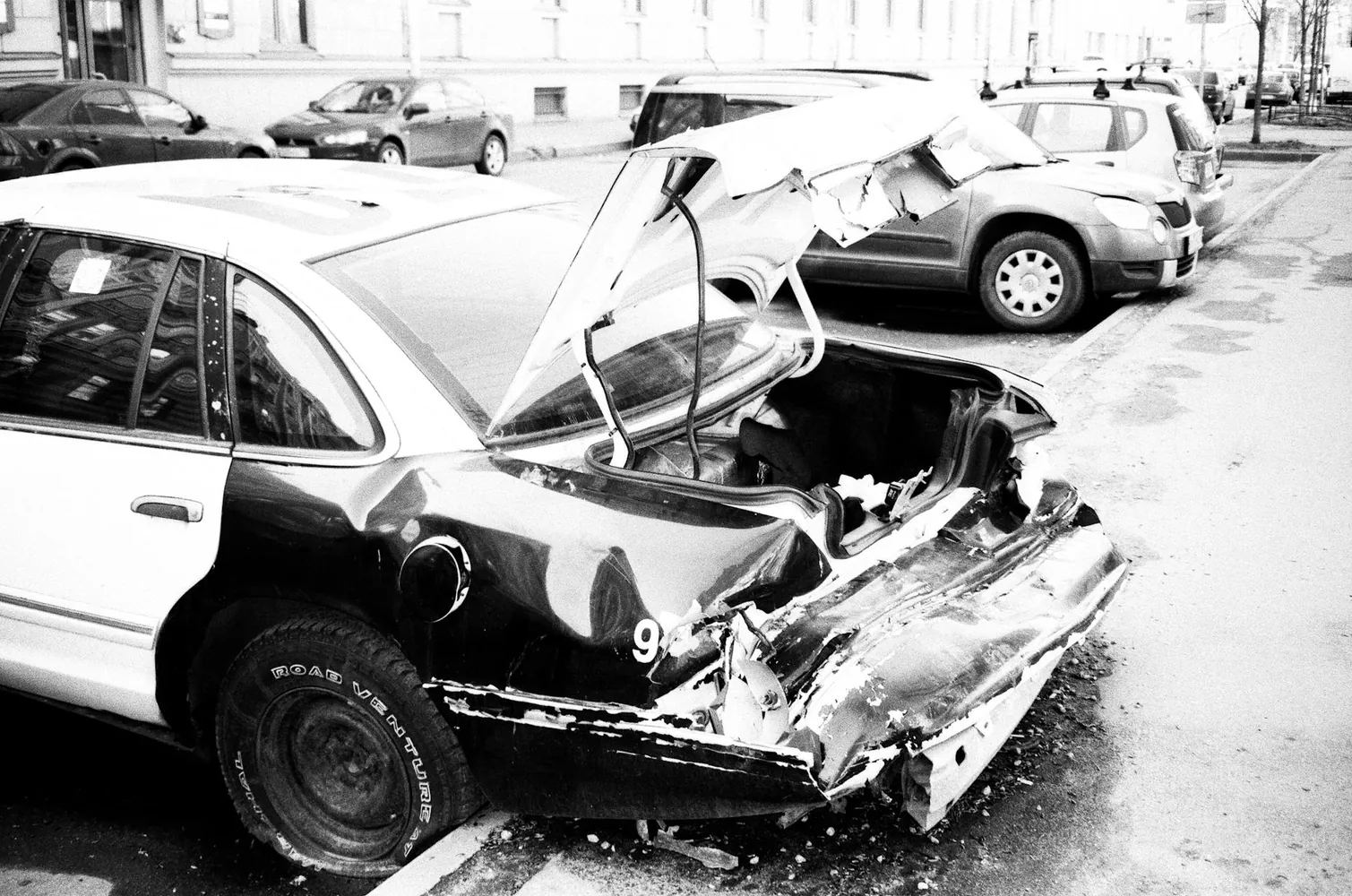
On the other hand, collision coverage pays for damage to your car resulting from an accident involving another vehicle or an object, such as a guardrail or a pothole. It is specifically tailored to handle crashes that may involve collisions with other vehicles or stationary objects.
For instance, if you accidentally back into a pole or collide with another car, collision coverage will take care of the repair expenses for your vehicle.
The Pros and Cons of Each Coverage Type
Pros of Comprehensive Coverage
- Wide Range of Protection: Covers a variety of non-collision events like theft and weather-related damage.
- Peace of Mind: Offers financial security against unpredictable events outside your control.
Cons of Comprehensive Coverage
- Potentially Higher Premiums: Adding comprehensive coverage can increase your overall insurance costs.
- Limited Collision Protection: Does not cover damages from vehicle accidents.
Pros of Collision Coverage
- Covers Accident Damage: Protects against costs from colliding with another vehicle or object.
- Navigating Legal Requirements: Often required by lenders for financed or leased cars.
Cons of Collision Coverage
- Higher Deductibles: Often comes with higher deductibles compared to comprehensive policies.
- No Non-Collision Coverage: Does not cover non-accident related damages.
When to Choose Comprehensive vs. Collision
Consider Your Driving Environment
Your environment can heavily influence which type of coverage is more beneficial. If you live in an area prone to severe weather or have a high crime rate affecting vehicles, comprehensive coverage might be more suitable. Conversely, if you frequently drive in heavy traffic areas, collision coverage could be invaluable.
Evaluate the Value of Your Vehicle
If you own an older vehicle with a low market value, you might decide that the cost of collision coverage outweighs the benefits, especially if repair costs are likely to exceed the car's value. Conversely, for newer, expensive vehicles, maintaining both comprehensive and collision coverage can be prudent to ensure full protection.
A Practical Decision-Making Framework
To help guide your decision, consider using the following framework:
- Assess Your Financial Situation: Determine how much you can afford to pay out-of-pocket in the event of an accident or unforeseen event. If a significant expense could derail your finances, maintaining both coverages may be wise.
- Examine Your Driving Habits: Are you frequently on busy highways or do you mostly drive in safer residential areas? This consideration can inform whether collision coverage is essential for you.
- Vehicle Age and Condition: Evaluate whether your vehicle’s current condition justifies the cost of both coverages. For vehicles nearing the end of their lifespan, dropping collision might make sense.
Combining Coverages for Optimal Protection
Many drivers find that a combination of both comprehensive and collision coverages offers the best peace of mind. While this may come with higher premiums, the combined protections ensure that virtually any type of incident — from hitting a deer to experiencing a fender bender — is covered.
Ultimately, understanding your specific needs and circumstances is crucial when selecting between these two types of car insurance. By carefully evaluating what each coverage provides and considering your personal situation, you can make an informed decision that aligns with your lifestyle and financial capabilities.