Steps to Qualify for Discounts When Insuring Multiple Vehicles
Understanding Multi-Vehicle Insurance Discounts
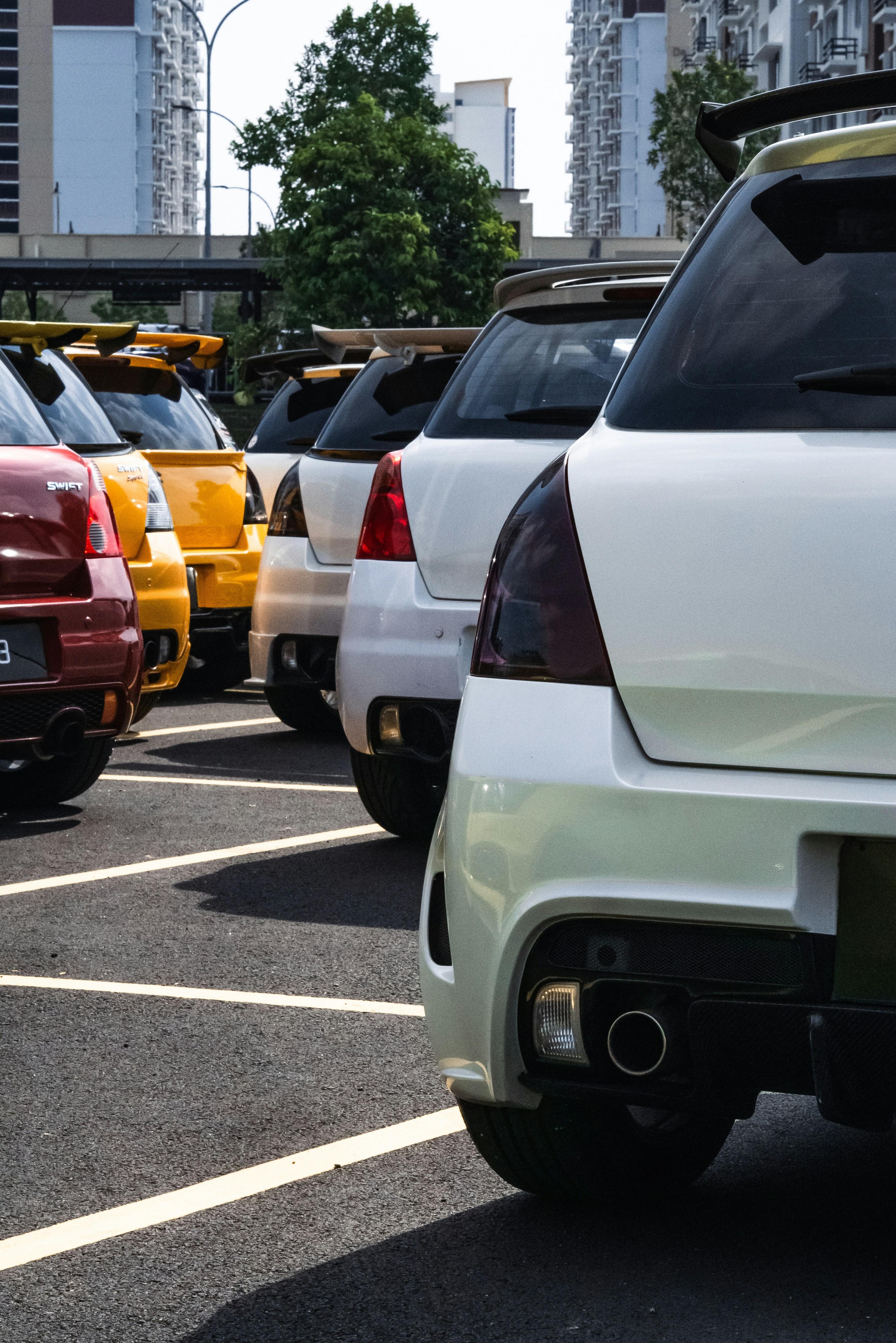
Bundling multiple vehicles under one insurance policy is a strategic way to lower your overall premiums. Many insurance companies offer discounts as an incentive for customers to insure more than one car with them. These discounts are known as multi-vehicle discounts and can lead to significant savings.
By understanding how multi-vehicle insurance discounts work, you can take steps to qualify for them and effectively manage your policy costs.
How Multi-Vehicle Insurance Works
When you insure multiple vehicles under a single policy, insurers typically apply a discount on the premium for each additional vehicle. This not only simplifies the payment process by having a single bill but also maximizes potential savings by keeping all cars under one umbrella.
- Simplified Billing: With one policy covering all vehicles, you reduce paperwork and have one premium payment schedule.
- Centralized Policy Management: Making changes or updating information is more straightforward when all vehicles are managed under one account.
Steps to Determine Eligibility for Multi-Vehicle Discounts
Step 1: Evaluate Your Current Policies
Before seeking a multi-vehicle discount, review any existing policies you have. Identify which vehicles could be combined under a single insurer and consider the terms of current contracts, such as cancellation fees or lock-in periods.
Step 2: Contact Your Insurer
Once you've assessed your current policies, contact your insurance provider to inquire about multi-vehicle discount options. Ask about eligibility criteria and whether your current policy can be adjusted to include additional vehicles.
Step 3: Compare Insurer Offers
If your current insurer’s offer is not competitive, it's worthwhile to compare offers from other insurance providers. Utilize online tools and resources to obtain quotes from different companies. Look specifically for policies that emphasize savings through bundling.
Step 4: Gather Necessary Documentation
Insurance companies will require specific information about each vehicle you wish to include in the bundle. Prepare the following:
- Vehicle identification numbers (VIN)
- Current odometer readings
- Driver details for all individuals using the vehicles
Step 5: Evaluate Coverage Options
When insuring multiple vehicles, ensure that the coverage aligns with your needs. Consider liability limits, collision coverage, and other options based on how each vehicle is used.
Benefits of Multi-Vehicle Discounts
There are several advantages to pursuing multi-vehicle insurance discounts beyond just financial savings:
- Unified Renewal Dates: All policies have the same renewal date, simplifying annual reviews and updates.
- Consistent Coverage: Maintaining uniform coverage terms across vehicles ensures all drivers and cars in the household have equivalent protection.
Potential Drawbacks of Multi-Vehicle Policies
While multi-vehicle policies offer many benefits, there are potential drawbacks:
- Limited Flexibility: Changes to one vehicle or driver might affect the entire policy.
- Loss of Tailored Discounts: Specific discounts might be lost if certain vehicles qualify for unique offers not applicable in a bundled policy.
Practical Tips for Maximizing Savings
- Consider Vehicle Usage: If some cars are driven infrequently, discuss lower mileage discounts with your insurer alongside multi-vehicle options.
- Combine Policies Across Services: If you have other insurance needs (homeowners, renters), explore multi-policy discounts that cover both vehicle and property insurance.
Conclusion: Making an Informed Choice
Selecting a multi-vehicle insurance discount requires careful consideration of current policies, potential savings, and insurer offerings. By following these steps, you can ensure you make a decision that best fits your needs while maximizing financial benefits.