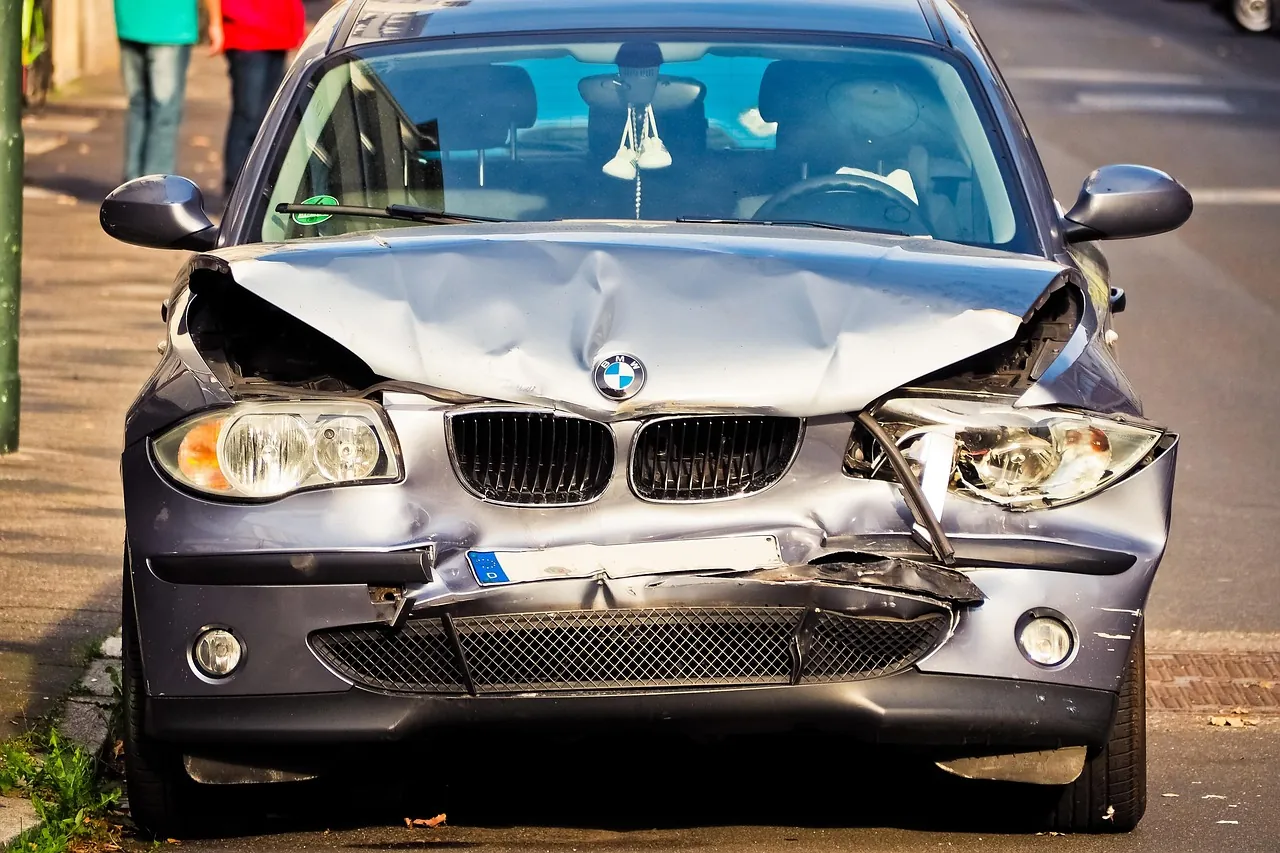
Understanding the Benefits of Usage-Based vs. Safe Driver Discounts

Exploring Car Insurance Discounts: An Overview
When it comes to car insurance, drivers are constantly on the lookout for opportunities to save money. Two popular types of discounts offered by many insurance companies are usage-based insurance (UBI) discounts and safe driver discounts. Each has its own advantages and is tailored to different kinds of drivers. In this article, we will delve into both options, examining their benefits and potential drawbacks, and provide guidance on when each might be most beneficial.
What Are Usage-Based Insurance Discounts?
Usage-based insurance is a relatively modern approach to car insurance that tailors premiums based on individual driving behaviors. This system uses telematics devices—either installed in the vehicle or connected via a mobile app—to monitor various driving metrics. These metrics can include speed, mileage, braking patterns, and time of day traveled.
The Mechanics of UBI
- Installation: Drivers install a telematics device in their car or download an app that tracks their driving habits.
- Data Collection: The device or app collects data such as distance traveled, hard braking incidents, and the time of day the car is driven.
- Premium Adjustment: Based on this data, insurers adjust premiums to reflect the actual risk level associated with the driver’s habits.
This personalized approach allows insurers to offer significant discounts to drivers who exhibit safe driving habits, effectively rewarding them for maintaining low-risk behavior.
Advantages of Usage-Based Discounts
- Personalized Premiums: Drivers pay based on how safely they drive, rather than generic factors like age or gender.
- Immediate Feedback: Many programs provide real-time feedback through apps, helping drivers become more conscious of their habits and potentially safer over time.
- Potential Savings: Drivers who exhibit low-risk behavior can enjoy substantial savings on their premiums, sometimes up to 30%.
Challenges of UBI Programs
- Privacy Concerns: Some drivers may feel uncomfortable with their driving habits being continuously monitored.
- Technical Glitches: Issues with telematics devices or apps may result in inaccurate data collection.
- Variable Costs: While potential savings are high, costs can increase if a driver’s habits change negatively over time.
Understanding Safe Driver Discounts
In contrast to UBI discounts, safe driver discounts are based on historical data rather than real-time monitoring. These discounts reward drivers with a clean driving record over a specified period. Factors typically considered include accident history, traffic violations, and claims history.
The Basis for Safe Driver Discounts
- Historical Records: Insurers review a driver’s record over a certain number of years (usually three to five).
- No Violations: To qualify, drivers generally need a record free from accidents or major traffic infractions during this period.
The simplicity of this model makes it appealing to drivers who prefer not to have their driving habits constantly monitored but still want recognition for their safe driving practices.
Advantages of Safe Driver Discounts
- Simplicity: Qualifying criteria are straightforward and based on past records rather than ongoing monitoring.
- No Privacy Concerns: There is no need for tracking devices or apps, reducing privacy issues associated with data collection.
- Predictable Premiums: Premiums remain consistent unless the driver’s record changes significantly.
Potential Drawbacks of Safe Driver Discounts
- Lack of Immediate Feedback: Without real-time data, drivers may not receive feedback that could help them improve their driving habits.
- Less Granular Adjustments: Adjustments to premiums are typically made annually or biannually rather than reflecting immediate changes in behavior.
Comparing Scenarios: When to Choose UBI vs. Safe Driver Discounts
The decision between UBI and safe driver discounts should be influenced by personal driving habits and lifestyle. Here are a few scenarios to consider:
The Frequent Commuter
If you drive long distances daily, UBI might not be ideal unless your commute consistently reflects safe driving habits. Otherwise, the mileage aspect could negate other positive behaviors. In contrast, a strong history of accident-free driving could make a safe driver discount more advantageous.
The Low-Mileage Driver
For individuals who drive infrequently or only cover short distances, UBI can offer significant savings since less time on the road equates to lower risk exposure. In this case, usage-based discounts capitalize on the infrequent usage of the vehicle.
The Privacy-Conscious Individual
If privacy is a significant concern, opting for traditional safe driver discounts eliminates the need for monitoring devices and the sharing of personal data.
The Technology Enthusiast
A tech-savvy driver comfortable with digital tools and apps might find the real-time feedback and potential savings offered by UBI appealing. The feedback loops can help these drivers constantly refine their habits.
Navigating the Insurance Marketplace
Navigating through various discount options requires understanding your personal driving patterns and preferences. Here are some tips for making an informed decision:
- Evaluate Your Driving Habits: Consider how often and how far you drive regularly. This will help you gauge which program aligns best with your lifestyle.
- Privacy Preferences: Decide how comfortable you are with having your driving monitored in real-time versus relying on historical data for discounts.
- Consult Your Insurer: Discuss available programs with your current insurer or explore other insurers’ offerings if considering a switch. Many companies provide simulations of potential savings under different discount scenarios.
The car insurance landscape continues to evolve with technological advancements offering innovative ways to tailor premiums according to individual needs. Both usage-based and safe driver discounts serve specific segments effectively. By understanding how each functions and evaluating personal preferences and behaviors, drivers can make choices that not only benefit their wallets but also encourage safer roads for everyone.