Navigating the Paperwork Required for SR-22 Certification Post-DUI
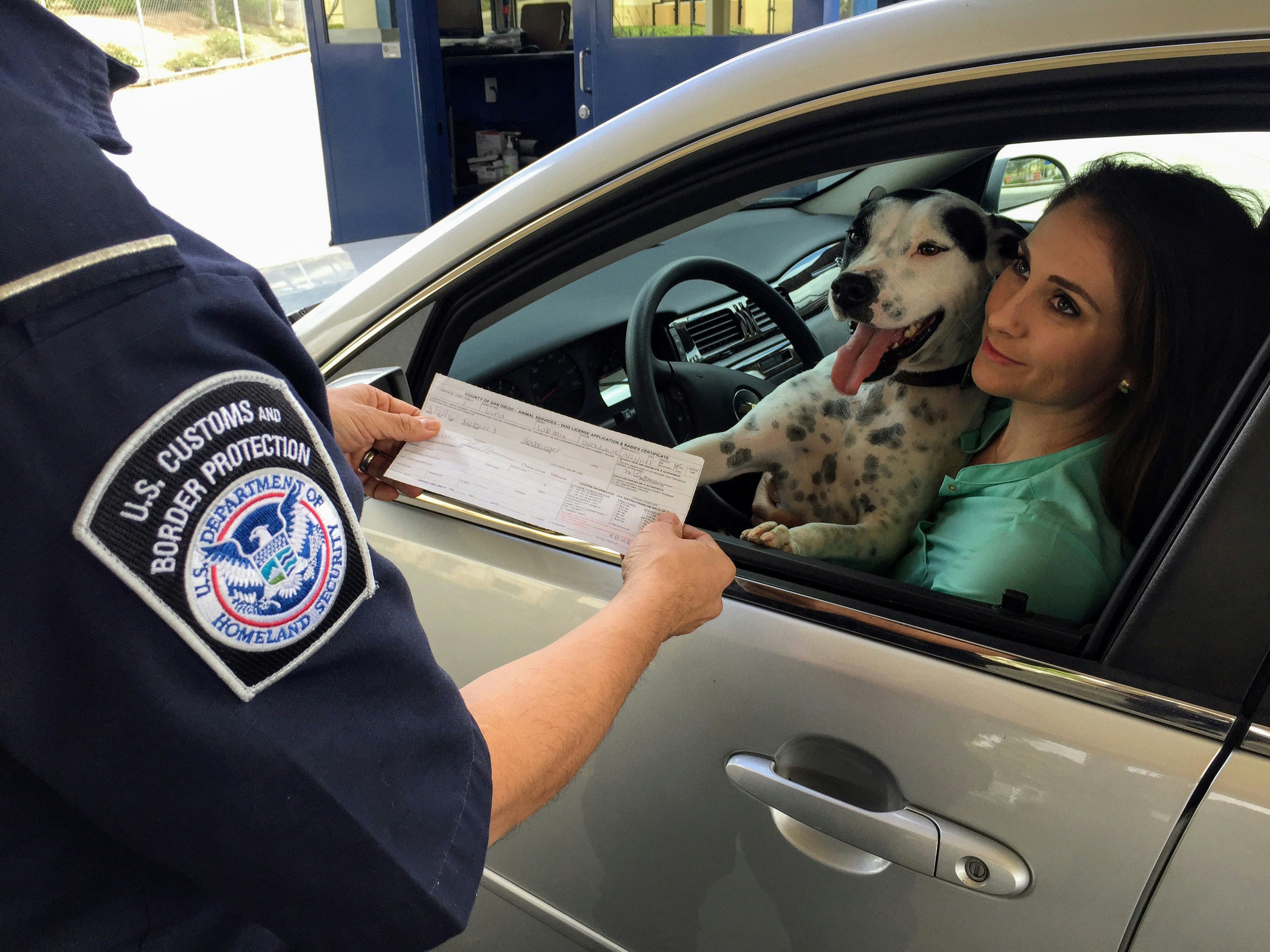
Understanding SR-22 Certification
After a DUI conviction, navigating the requirements of SR-22 certification can seem daunting. The SR-22 is not an insurance policy, but rather a certificate of financial responsibility that confirms you have the necessary auto insurance coverage required by your state. This document is typically mandated for high-risk drivers to demonstrate their compliance with state insurance mandates.
Understanding the specifics of SR-22 forms and processes will ease the journey towards legal compliance and help you regain control over your driving privileges.
When Is SR-22 Required?
SR-22 is often required following significant driving violations, such as:
- DUI or DWI offenses
- Reckless driving
- At-fault accidents without insurance
- License suspension or revocation due to moving violations
The requirement for an SR-22 usually extends for a period between one to three years, varying by state and the severity of the offense. Failing to maintain your SR-22 status can lead to license suspension.
Steps to Obtain an SR-22
1. Contact Your Insurance Provider
Your first step should be to contact your current auto insurance company. Not all insurers provide SR-22 filing services, especially if they don't cater to high-risk policies. If your insurer doesn’t offer this service, you may need to find a specialized provider.
2. Purchase the Appropriate Policy
Once you identify an insurer willing to issue an SR-22, you must purchase a liability insurance policy that meets the state's minimum requirements. This policy ensures that you have coverage in place that aligns with your state’s stipulations for high-risk drivers.
3. File the SR-22 Form
Your insurer will file the SR-22 form on your behalf with the state's Department of Motor Vehicles (DMV). There’s usually a nominal fee associated with this filing, which varies depending on your location. The processing time can range from a few days to several weeks, so plan accordingly.
4. Confirm Filing with the DMV
After filing, verify with your DMV that they have received and accepted your SR-22 form. This ensures that your driving record is updated and you are legally compliant.
Common Pitfalls and How to Avoid Them
Delayed Filing
A common error is delayed filing due to misunderstanding requirements or waiting too long to initiate the process. It is crucial to begin the SR-22 process as soon as you are notified of the requirement.
Lapses in Coverage
If your insurance lapses at any point during the mandatory period, your insurer is required to notify the DMV, which could result in license suspension. To avoid this, set reminders for premium payments and confirm coverage continuance with your insurer.
Selecting the Wrong Insurance Provider
Not all insurers are equipped or willing to handle SR-22 filings. Seek recommendations or reviews for providers who specialize in high-risk insurance policies and have a track record of successful SR-22 filings.
State Variations in SR-22 Requirements
The specific requirements for SR-22 certification can vary widely from state to state, impacting how you manage the process:
California vs. Texas
- California: Requires SR-22 filing for at least three years post-DUI. Non-compliance can lead to steep fines and further suspension.
- Texas: Demands SR-22 filing after reinstatement of your driver's license post-suspension, typically required for two years.
Familiarize yourself with state-specific regulations by consulting your DMV's resources or talking to a legal expert specializing in traffic law.
The Role of Legal Assistance
While handling SR-22 paperwork yourself is feasible, consulting a lawyer specializing in DUI cases might provide additional benefits such as:
- Helping navigate complex state laws regarding driving privileges.
- Advising on potential reductions in penalties or timeframes related to SR-22 requirements.
A legal expert can also guide you through court proceedings, ensuring you meet all obligations efficiently.
Conclusion
Navigating the paperwork required for SR-22 certification post-DUI involves understanding specific requirements and proactive management of insurance coverage. By taking informed steps, engaging appropriate legal and insurance resources, and remaining vigilant about state-specific obligations, you can effectively restore and maintain your driving privileges while meeting legal responsibilities. Remember, an informed driver is better equipped to handle post-DUI challenges with confidence and compliance.