Evaluating Car Insurance Coverage: Understanding What Each Type Offers You

Understanding Car Insurance Coverage Types
Car insurance is not just a legal requirement in most places; it's a crucial financial tool that protects you against unforeseen events on the road. To make informed decisions, it's important to understand the different types of car insurance coverage available: comprehensive, collision, and liability insurance. Each offers unique protections and comes with its own set of advantages and disadvantages.
Comprehensive Insurance
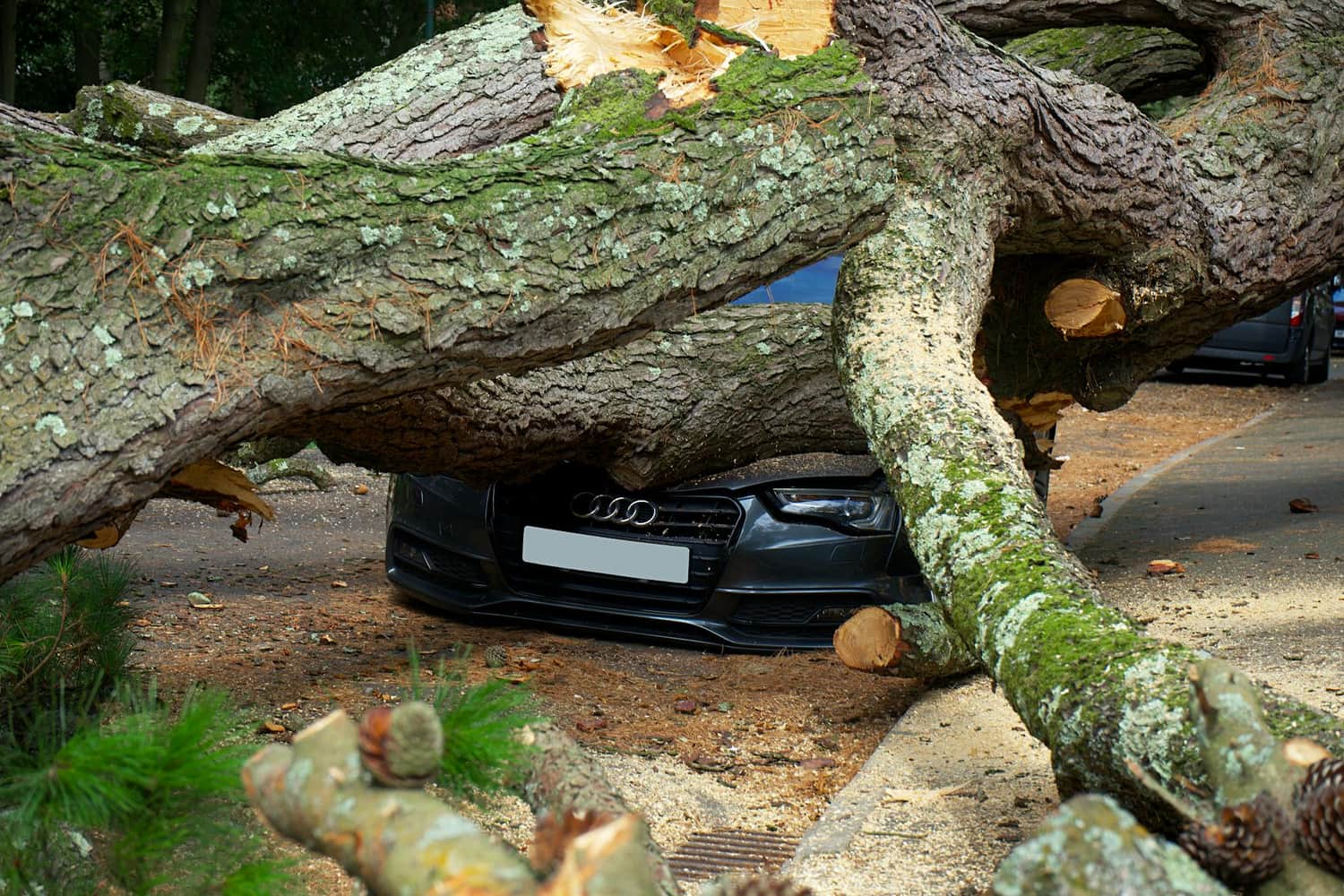
Comprehensive insurance covers damages to your vehicle that aren't the result of a collision. This includes theft, vandalism, fire, natural disasters, and even encounters with animals. While comprehensive coverage offers extensive protection, it does not cover damages from accidents involving another vehicle.
Pros:
- Protection against a wide range of non-collision incidents.
- May be required by lenders or leasing companies.
Cons:
- Higher premiums compared to basic coverage options.
- Might not be cost-effective for older cars with lower values.
For example, if your car is parked outside during a hailstorm and sustains damage, comprehensive coverage will help cover the repair costs.
Collision Insurance
Collision insurance pays for damages to your vehicle resulting from a collision with another vehicle or object, regardless of fault. This coverage is particularly useful if you have a newer or high-value car.
Pros:
- Covers damages from single-car accidents and multi-vehicle collisions.
- Helps protect your financial investment in your vehicle.
Cons:
- Higher deductibles can lead to out-of-pocket expenses.
- Premiums can increase significantly after a claim.
Imagine driving into a mailbox by accident; collision insurance would cover the repairs to your car.
Liability Insurance
Liability insurance is typically required by law and covers damages to other vehicles or injuries to other drivers and passengers if you're at fault in an accident. However, it does not cover your own vehicle or injuries.
Pros:
- Lower cost compared to full coverage options.
- Legal requirement, ensuring compliance with state laws.
Cons:
- No coverage for your own vehicle or medical expenses.
- Might not be sufficient for serious accidents with multiple injured parties.
For instance, if you rear-end another car at a stoplight, liability insurance will pay for the damages to that car and any medical bills for its occupants.
Choosing the Right Coverage for Your Needs
Selecting the appropriate type of insurance depends largely on your individual driving habits, the value of your vehicle, and your financial situation. Here are some practical tips for making an informed choice:
Assess Your Driving Habits
If you commute long distances daily or drive frequently in high-traffic areas, comprehensive and collision coverage might be more beneficial due to the increased risk of accidents. Conversely, if you rarely drive or mostly use public transport, you might opt for liability-only coverage to save on premiums.
Consider the Value of Your Vehicle
The value of your vehicle plays a significant role in determining the right coverage. For new or high-value cars, comprehensive and collision insurance can protect your investment. However, for older cars with depreciated values, it might make sense financially to stick with liability insurance alone.
Evaluate Financial Circumstances
Your ability to handle unexpected expenses should also guide your decision. If you can afford higher premiums and want peace of mind against various risks, opting for full coverage (comprehensive + collision) could be worthwhile. On the other hand, if budget constraints are a concern, prioritize essential coverages based on statutory requirements and potential risks.
A Mini-Framework for Evaluating Coverage Needs
- Inventory Assessment: List all current assets related to your vehicle including its value and loan/lease obligations.
- Risk Analysis: Assess personal risk factors such as driving frequency, location hazards (e.g., high-crime areas), and accident history.
- Cost-Benefit Comparison: Calculate potential costs versus benefits of each coverage type based on historical data and premium differences.
- Future Projections: Consider future changes such as job relocations or lifestyle adjustments that might affect driving habits.
This mini-framework can help you systematically approach the decision-making process regarding car insurance coverage. By analyzing these aspects, you can align your choices with both current needs and future expectations.