How Location Plays a Critical Role in Car Insurance Rates
Understanding the Influence of Location on Car Insurance Rates
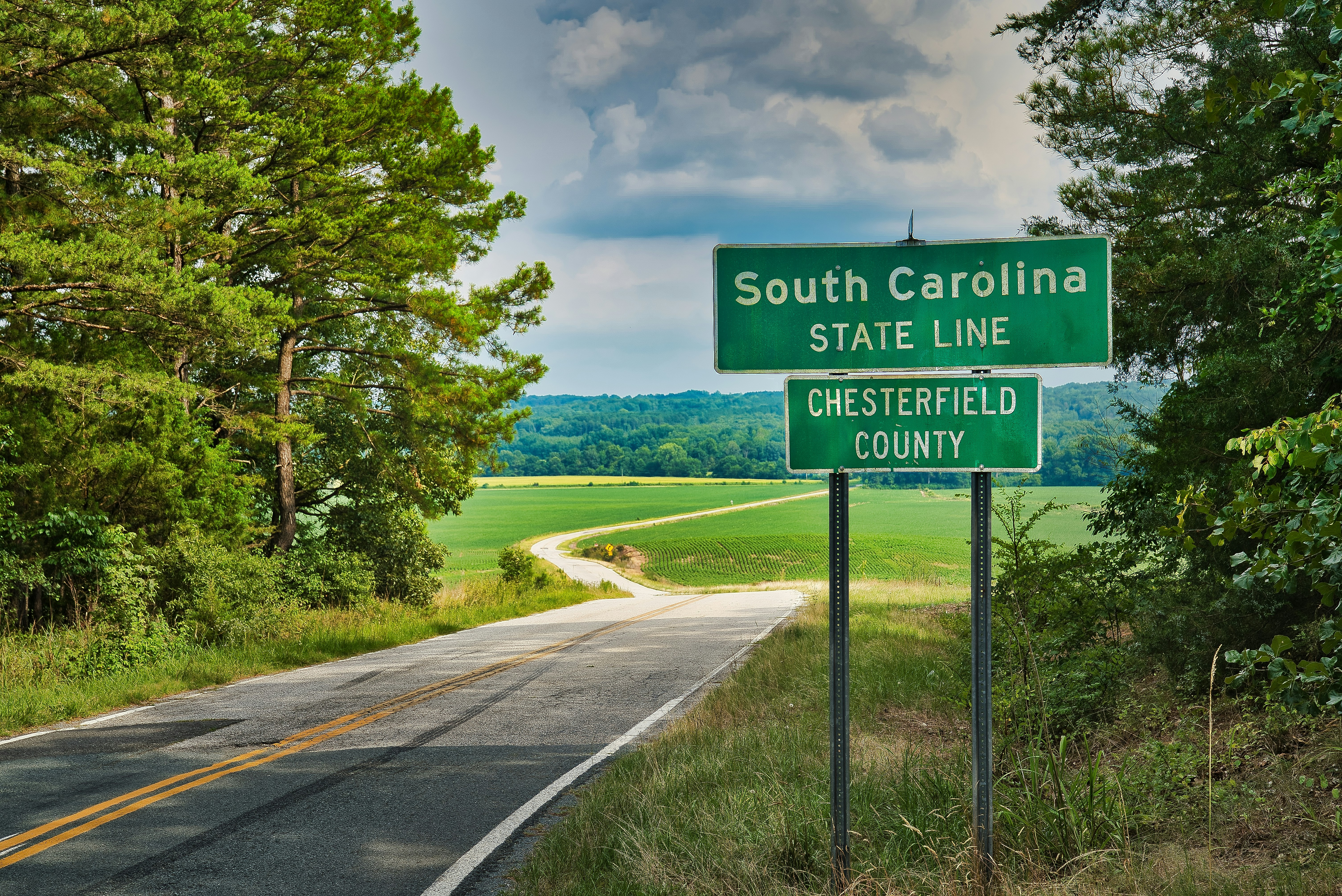
When it comes to car insurance, many drivers may not realize just how significantly their geographic location can affect their premiums. While factors like age and vehicle type are often discussed, location remains a critical determinant that insurers consider meticulously. This article will delve into why where you live plays such a vital role in determining your car insurance rates and offer practical steps you can take to optimize your premiums.
How Insurers Use Location to Calculate Risk
Insurance companies use extensive data to assess risk levels associated with different locations. Here's a breakdown of some primary factors considered:
- Population Density: High-density areas, like major cities, tend to have higher accident rates simply due to more cars on the road, leading to higher insurance costs.
- Crime Rates: Areas with high vehicle theft or vandalism rates typically result in higher premiums.
- Weather Conditions: Regions prone to severe weather events (e.g., hurricanes, hail) often see increased rates due to potential damage.
Concrete Examples of Location-based Rate Variations
For instance, a driver living in downtown Los Angeles might pay significantly more than someone residing in a rural area of Nebraska due to traffic congestion and higher crime rates in the city. Similarly, residents of Florida often face high premiums because of the state's vulnerability to hurricanes and floods.
Strategies for Lowering Insurance Costs Based on Location
Though you can't change where you live, there are several strategies to potentially lower your insurance costs despite your location:
- Compare Quotes Regularly: Different insurers may weigh location-related risks differently. Regular comparisons can help you find a provider that offers more competitive rates for your area.
- Improve Home Security: Installing security systems or parking in garages can sometimes earn you discounts, especially if you live in an area with high theft rates.
- Bundle Policies: Combining auto insurance with other types of insurance (like home or renters) with the same provider often results in substantial discounts.
A Practical Mini-Framework for Optimizing Your Car Insurance Rates
The following mini-framework is designed to help you take actionable steps towards better managing your car insurance costs relative to your location:
- Research Your Area: Understand the specific factors impacting rates in your location, such as crime statistics or weather patterns.
- Identify Possible Discounts: Inquire about discounts for safety features, telematics programs (like usage-based insurance), or for bundling policies.
- Review and Adjust Coverage: Ensure you're not over-insured or under-insured based on local risks. Adjust deductibles and coverage limits accordingly.
- Leverage Local Insurer Knowledge: Engage with local agents who might have insights into how local nuances impact premiums. They may guide you to regional insurers who offer competitive rates based on localized data.
The Role of Telematics and Usage-based Insurance
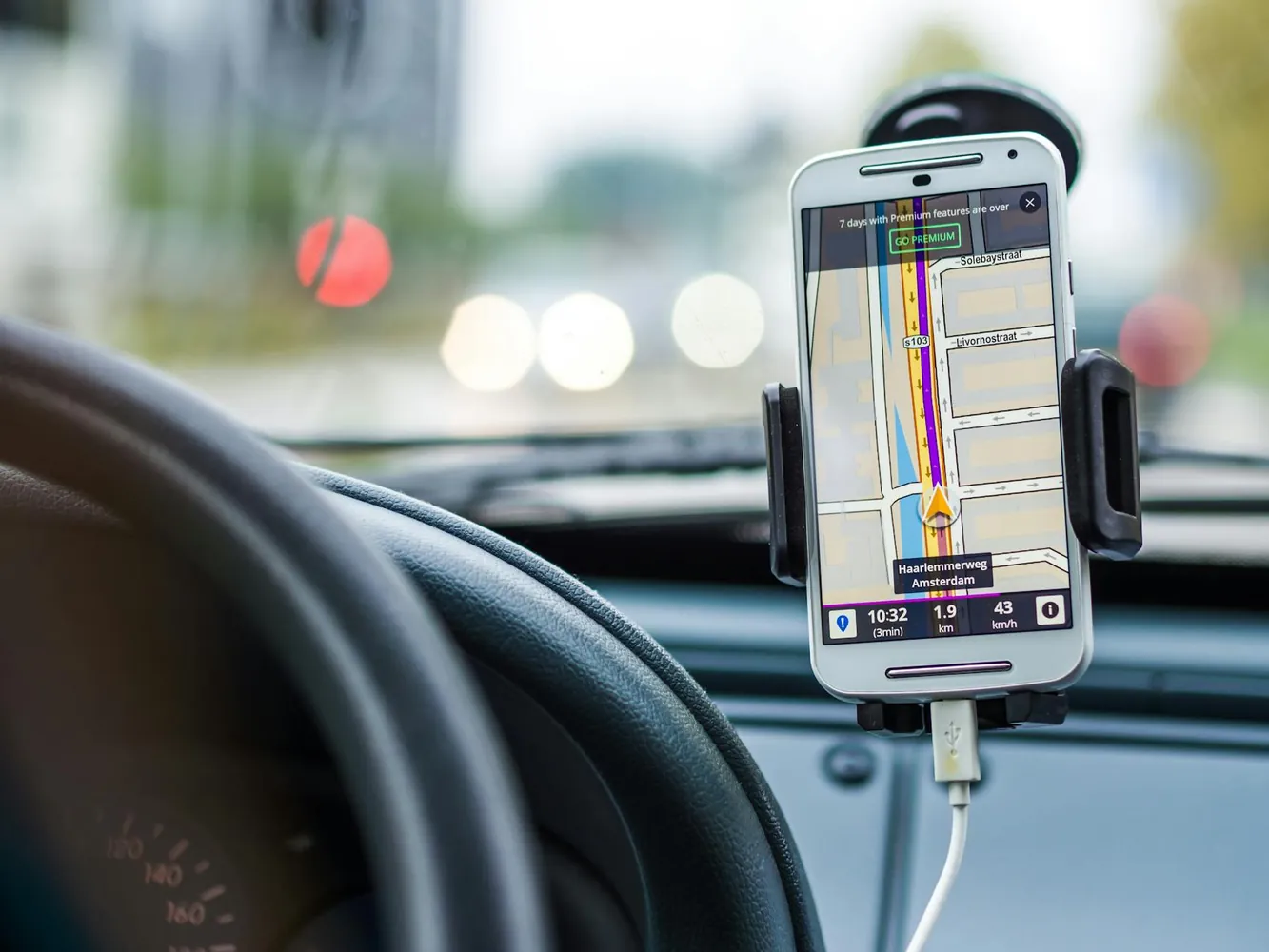
Telematics devices can be particularly useful for drivers living in areas categorized as high-risk. These devices track driving behavior and can offer discounts for safe driving patterns, effectively lowering rates regardless of your geographic risk level. Consider opting for an insurance policy that includes a telematics device if it's available in your area.
Conclusion
Your location plays a profound role in determining car insurance rates, but being proactive and well-informed allows you to navigate these challenges strategically. By understanding how insurers assess risk and applying targeted strategies, you can optimize your insurance costs effectively.